
The Trees of the Serengeti
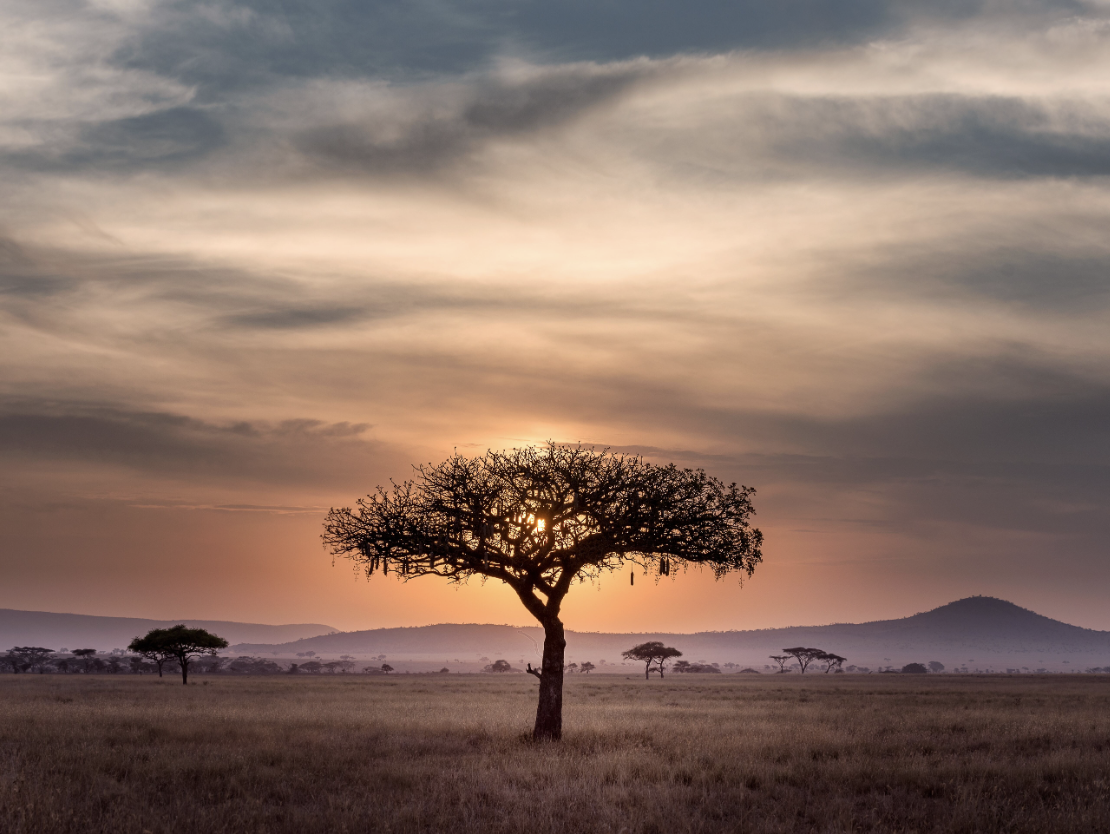
The Quiet Giants We Too Often Drive Past
When people dream of the Serengeti, they usually dream of animals.
The great herds moving across an endless horizon. A lion stretched lazily beneath the afternoon sun. A leopard draped over the branch of a tree. Giraffes appearing almost impossibly elegant against a golden sky.
But after years of traveling through East Africa, I have learned that some of the most fascinating characters in the Serengeti never move at all.
They are the trees.
We photograph them constantly, often without really seeing them. They frame our sunsets and our wildlife photographs. We stop beneath them for shade and scan their branches for leopards. We use them as landmarks without knowing their names.
Yet these trees are not simply scenery. They are part of the architecture of the Serengeti.
They feed animals, shelter them, conserve moisture, stabilize soil and create tiny worlds of their own. Some survive fire. Some defend themselves with thorns, toxins—or even armies of ants. Others have stood quietly on the African landscape for centuries.
Once you begin noticing them, safari changes.
The Baobab — Africa's Great Old Soul
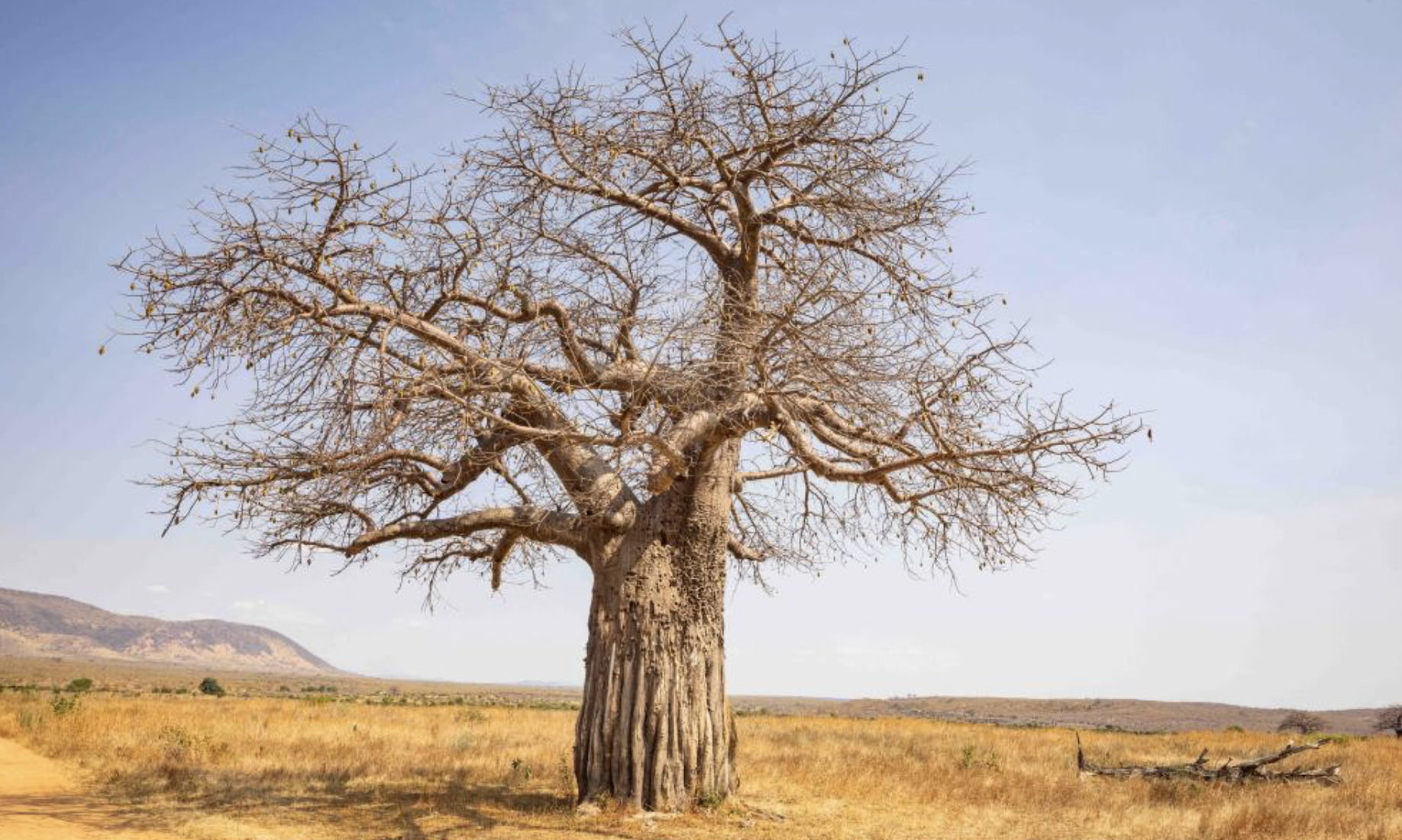
There is something almost prehistoric about a baobab.
Its enormous trunk and strange branches look as though someone pulled the tree from the earth and replanted it upside down, which, appropriately enough, is exactly how one African legend explains its appearance.
Baobabs are extraordinary survivors. Their thick, spongy trunks can store enormous quantities of water, allowing them to endure long dry periods. Elephants sometimes strip their bark seeking moisture, while baboons and birds feed on their fruit and bats visit their large flowers at night.
Some baobabs are believed to live for well over a thousand years.
Think about that for a moment.
A tree standing in roughly the same place while generations of elephants pass beneath it, rains come and disappear, fires move through the landscape and countless migrations cross the plains.
If only trees could talk.
In Tanzania, some of my favorite baobab country is actually outside the Serengeti, in Tarangire National Park. There, ancient baobabs rise above a landscape filled with elephants, and it is one of those places where the trees are every bit as much a part of the experience as the wildlife.
The Umbrella Thorn — The Tree in Almost Every Safari Dream
Close your eyes and imagine Africa.
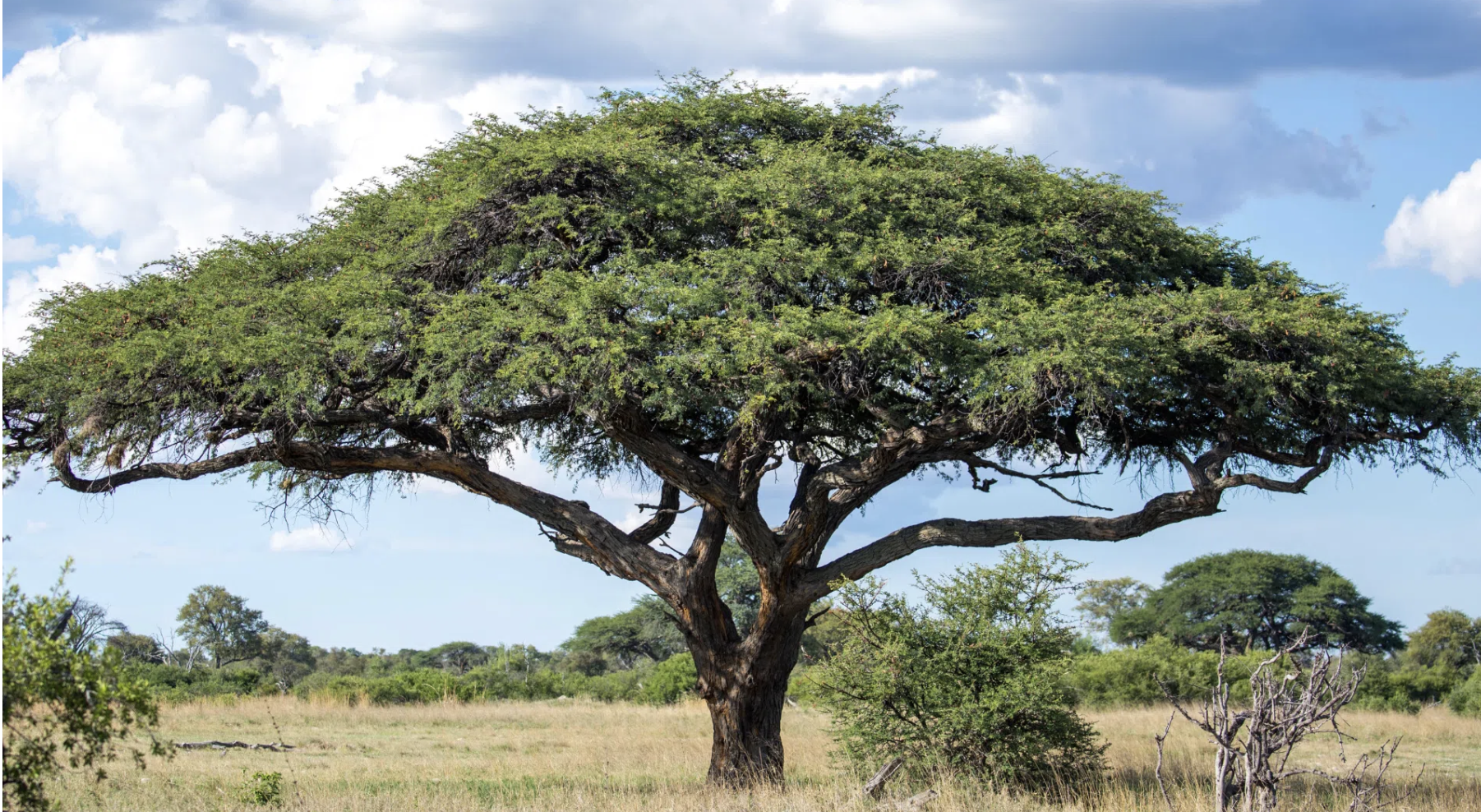
Chances are there is an umbrella-shaped acacia somewhere in the picture.
The umbrella thorn, Vachellia tortilis, creates that unmistakable flat-topped silhouette against the African sky. Giraffes browse its tiny leaves, elephants and other herbivores eat its seedpods, and predators frequently take advantage of the shade beneath its wide canopy.
But what fascinates me most is that acacias are far from defenseless.
When heavily browsed, some acacias increase defensive chemicals in their leaves and can release airborne chemical signals associated with nearby trees mounting defenses of their own.
So that beautiful, motionless tree isn't quite as passive as it appears.
The bush is communicating all around us. We simply don't always speak its language.
The Whistling Thorn — A Tree With Its Own Security Detail
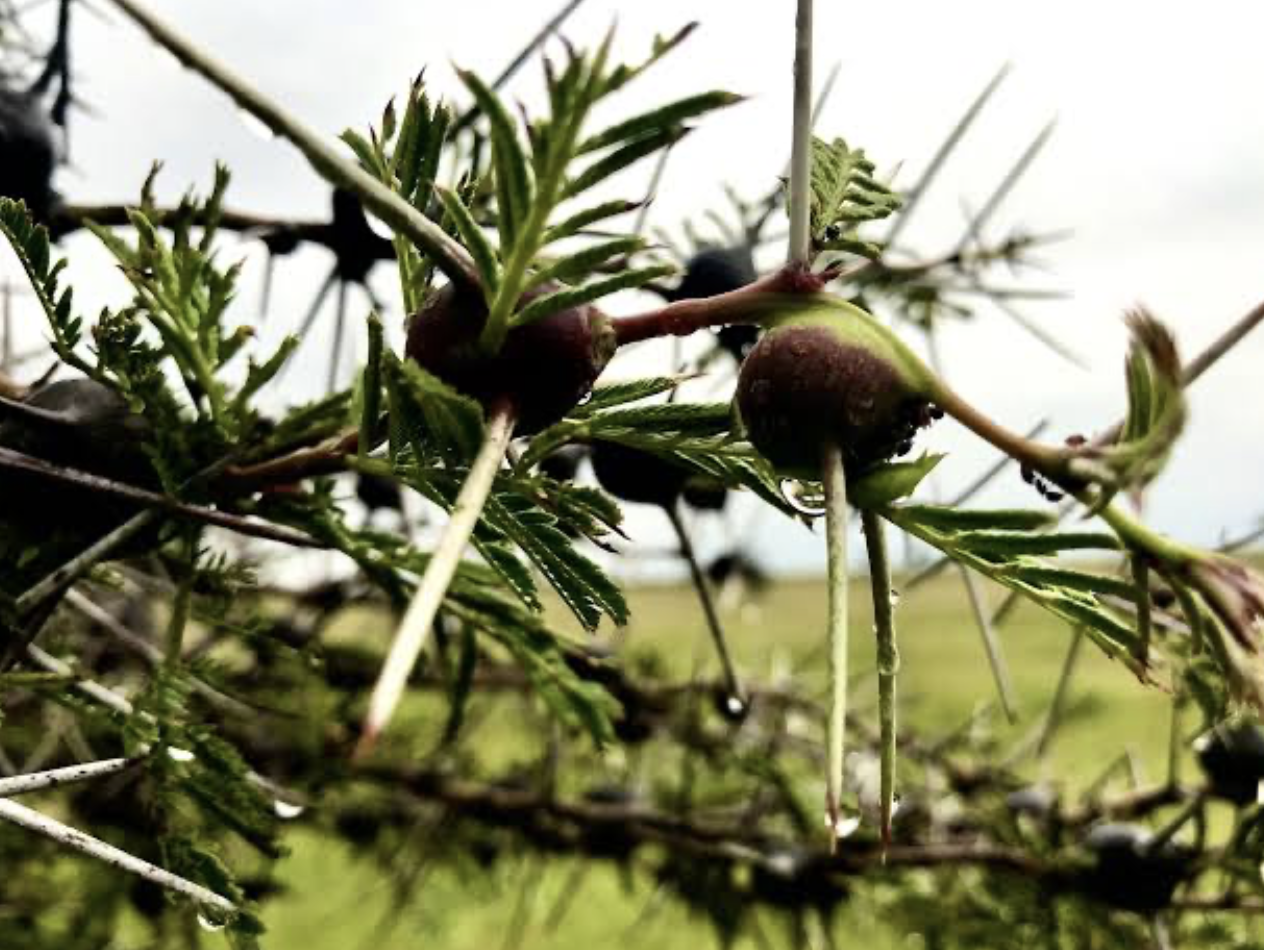
Then there is one of my favorites: the whistling thorn.
At first glance, it is another thorny African tree. Look more carefully and you'll notice swollen, hollow thorns. These can become homes for ants, which in turn defend their host tree against browsers.
It is a remarkable relationship: the tree provides shelter, and the ants provide security.
Even giraffes have to negotiate carefully.
And the name?
When wind passes through openings in the hollow thorns, it can produce a faint whistling sound.
Imagine explaining that to someone who thinks a safari is simply about ticking the Big Five off a list.
The Sausage Tree — Yes, Those Really Are Hanging From the Branches
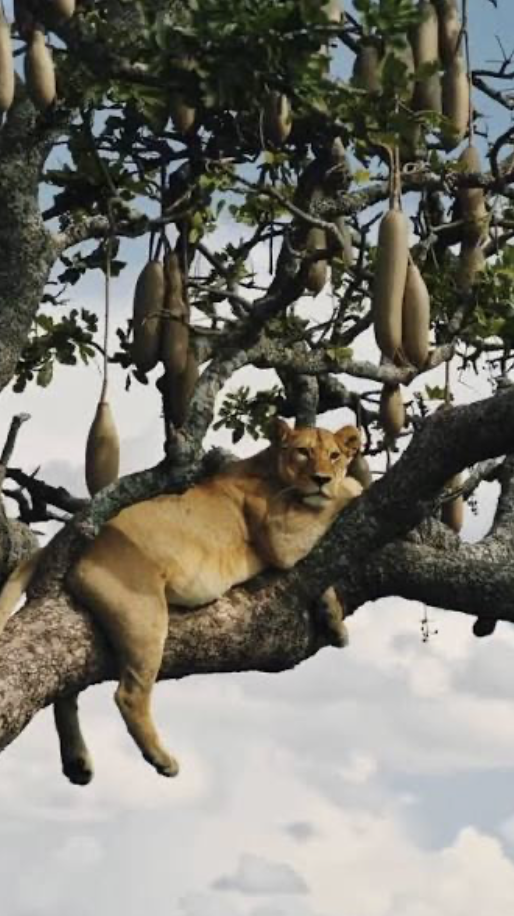
The sausage tree, Kigelia africana, is wonderfully difficult to forget.
Its enormous fruits hang from long stems and genuinely resemble sausages suspended from the branches. Some can weigh several kilograms.
You'll often find these trees closer to rivers and wetter areas. Their flowers open at night and attract bats, while various animals feed on fallen fruit.
And those sturdy branches above you?
Look carefully.
They can also make rather comfortable resting places for leopards.
This is one of the great pleasures of safari: one tree can have several completely different stories happening at once.
The Yellow Fever Tree — Beautiful, and Completely Misunderstood
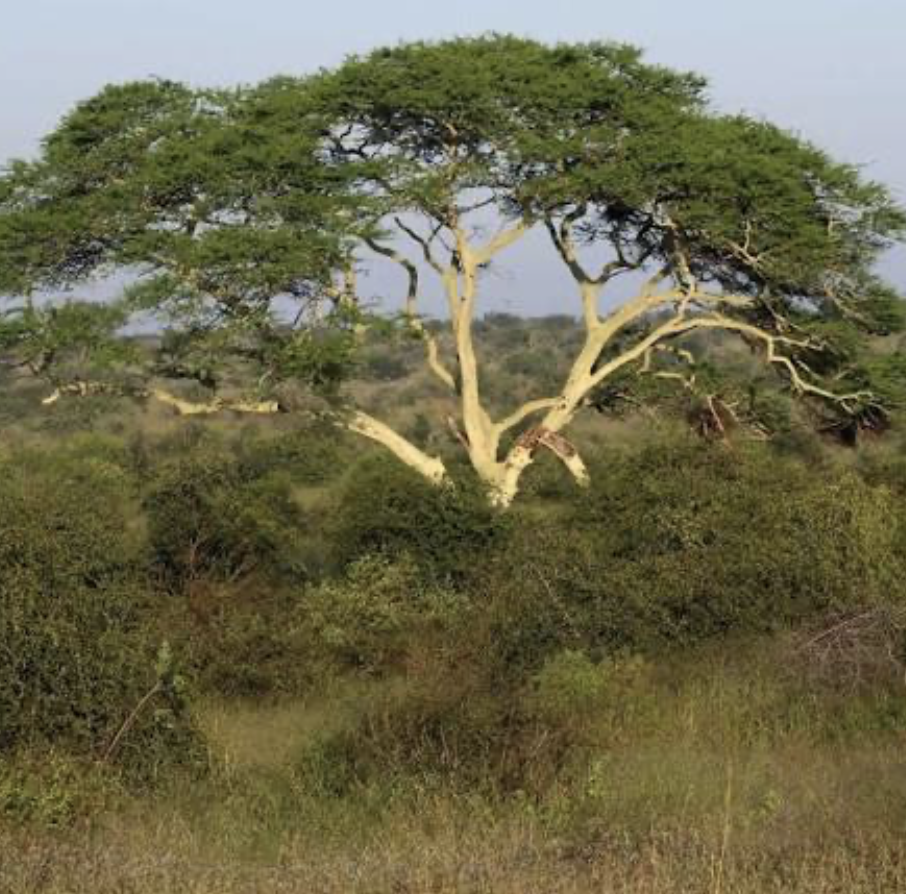
Few trees are as striking as the yellow fever tree, Vachellia xanthophloea.
Its smooth yellow-green bark seems almost illuminated, particularly when several grow together near wetlands or river systems.
Its rather ominous name comes from an old misunderstanding. Early settlers noticed that people often became sick with malaria in areas where these trees grew and assumed the trees were responsible.
The real connection was water.
Yellow fever trees favor moist environments, the same environments where mosquitoes thrive.
The poor tree was guilty largely by association.
The Sycamore Fig — A Small Ecosystem Disguised as a Tree
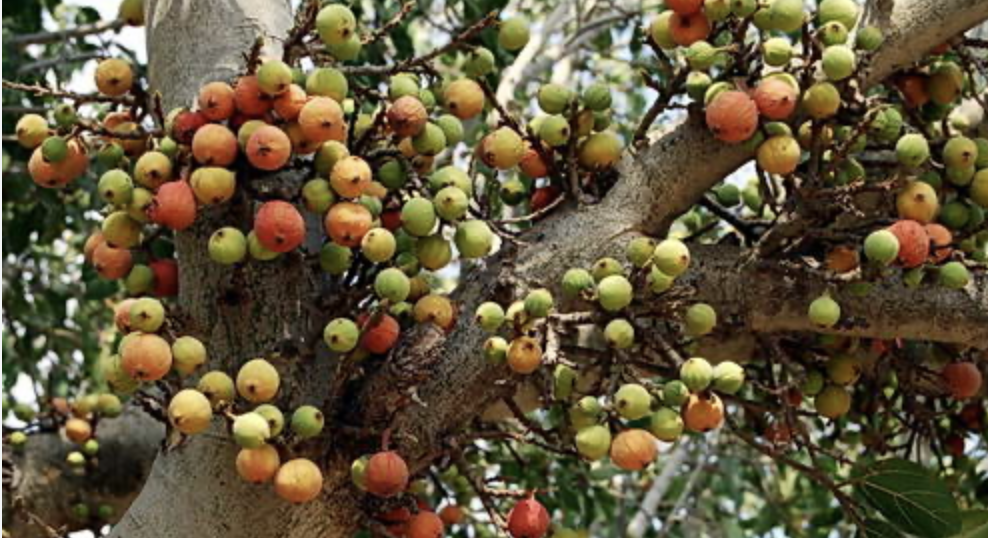
A mature fig tree is one of those places worth stopping beside for a while.
Its broad canopy can provide food and shelter for an astonishing variety of creatures. Monkeys climb through its branches, birds and bats feed on the figs, elephants may browse nearby, and insects occupy an entire universe most of us never notice.
And figs have one of nature's most extraordinary partnerships.
Their reproduction is intimately connected with tiny fig wasps, with highly specialized relationships between particular figs and their pollinators.
A fruit we barely notice can therefore represent an ecological relationship refined over millions of years.
Nature is rarely simple.
The Candelabra Tree — Beautiful, Strange and Best Left Alone
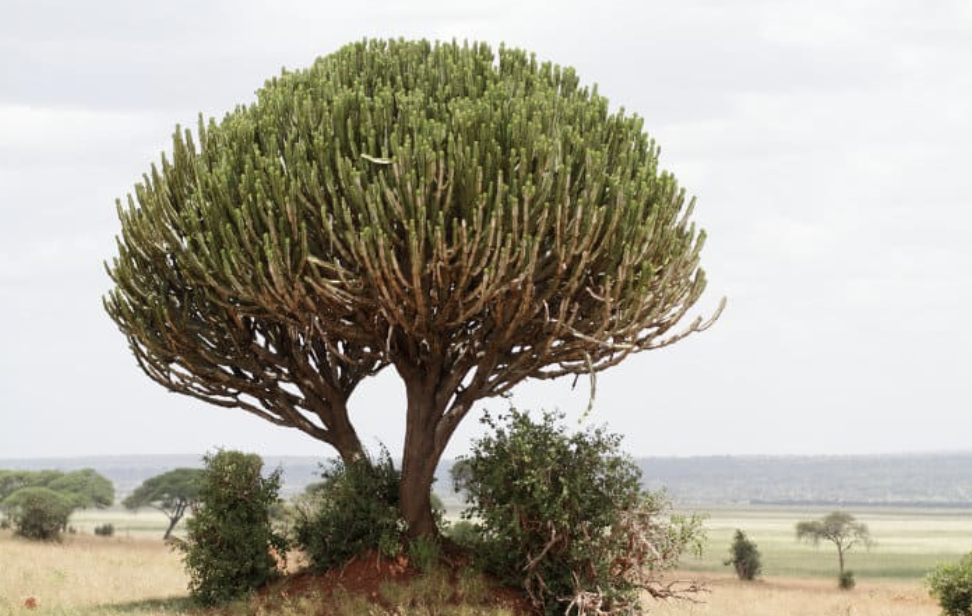
You may also encounter a plant that looks rather like a cactus escaped from another continent.
The candelabra tree, Euphorbia ingens, isn't actually a cactus at all.
Its thick green branches reach upward like the arms of an enormous candelabra. It survives remarkably well in dry, rocky environments and is beautiful in that wonderfully strange African way.
But admiration is best done from a respectful distance.
Its milky latex is highly irritating and toxic.
Another reminder that in the bush, beautiful does not necessarily mean friendly.
Trees Tell You Where You Are
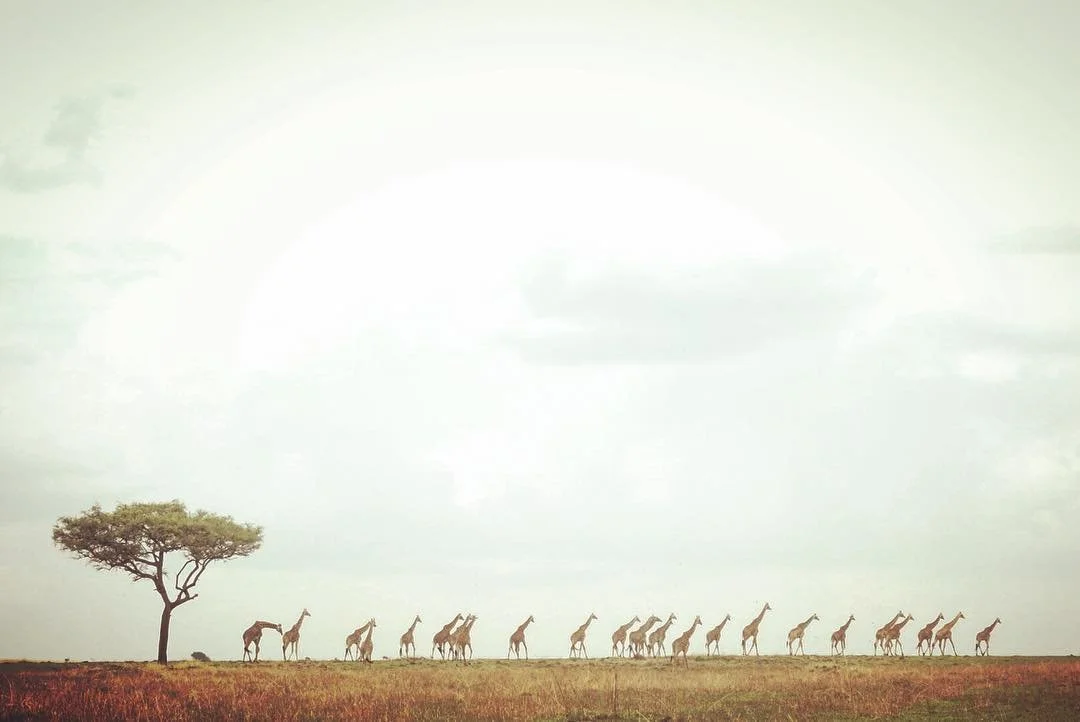
One thing good guides understand beautifully is that vegetation tells a story.
Changes in trees can indicate changes in soil, water, elevation and habitat. Riverine forests suggest moisture. Open grasslands tell another story. Acacia woodland another. Fig trees, palms and fever trees can reveal water systems long before you actually see the river.
This is one reason I encourage travelers to ask their guides about more than animals.
Ask about the trees.
Ask about the grasses.
Ask why one side of a hill looks different from another. Ask what flowers after the rains. Ask which plants elephants eat and which they avoid. Ask why a particular bird keeps returning to a particular tree.
Safari becomes infinitely richer when we stop asking only:
"What animal will we see next?"
and begin asking:
"What is this landscape telling us?"
Look Beyond the Big Five
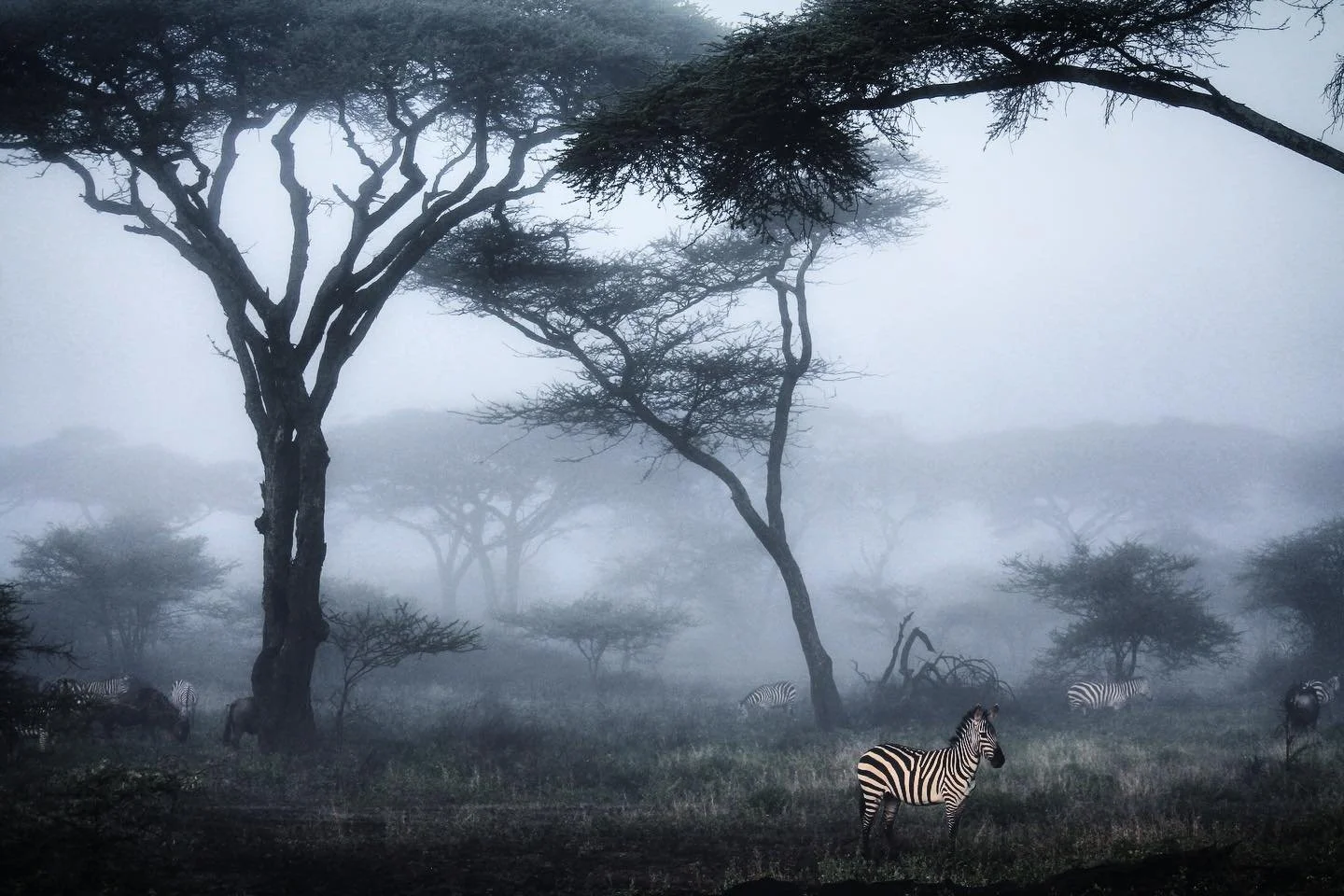
I understand the excitement of seeing your first lion. I still stop for lions.
I still get excited when someone spots a leopard.
And I don't think I will ever become indifferent to elephants.
But some of my favorite moments in Africa have very little drama attached to them.
An old baobab glowing in the last light.
A giraffe reaching delicately between acacia thorns.
A leopard disappearing into the branches of a sausage tree.
The silhouette of a lone umbrella thorn against a Serengeti sunset.
These quieter moments teach us something important about safari—and perhaps about travel itself.
The more slowly we look, the more we see.
The Serengeti isn't simply a collection of animals moving across a beautiful background. It is an intricate living system in which grasses, insects, rivers, trees, predators, herbivores, birds, weather and people are connected.
Take away one part and the story changes.
So the next time you travel through the Serengeti, by all means look for the lions.
But every now and then, ask your guide to stop beside a tree.
You may discover that it has a pretty remarkable story of its own.
— Gabriele Brown
Urth Expedition
Travel deeper. Look closer. Leave with more than photographs.