
Kigali

A City of a Thousand Hills and a Thousand Stories
There are some cities we travel halfway around the world specifically to see, and then there are those we almost accidentally discover on our way somewhere else. Kigali, for many travelers, is still the latter. They arrive in Rwanda with one magnificent experience on their minds, the mountain gorillas, spend a night in the capital and leave the following morning for Volcanoes National Park.
Every time I hear that, I want to say: wait...stay a little longer.
Because Kigali is so much more than a gateway to the gorillas.
I have traveled through East Africa for many years, and what continues to fascinate me is how places change, and how our perception of them changes with time. Kigali is one of those cities I find increasingly interesting. It doesn't shout for your attention. It slowly draws you in through its green hills, remarkably clean streets, small neighborhoods, cafés, galleries, fashion, food and, most importantly, its people.
Rwanda is known as the Land of a Thousand Hills, but Kigali, to me, is becoming a city of a thousand stories.
Some of those stories are difficult. Others are wonderfully ordinary. And some are being written right now by a generation of Rwandans looking confidently toward the future.
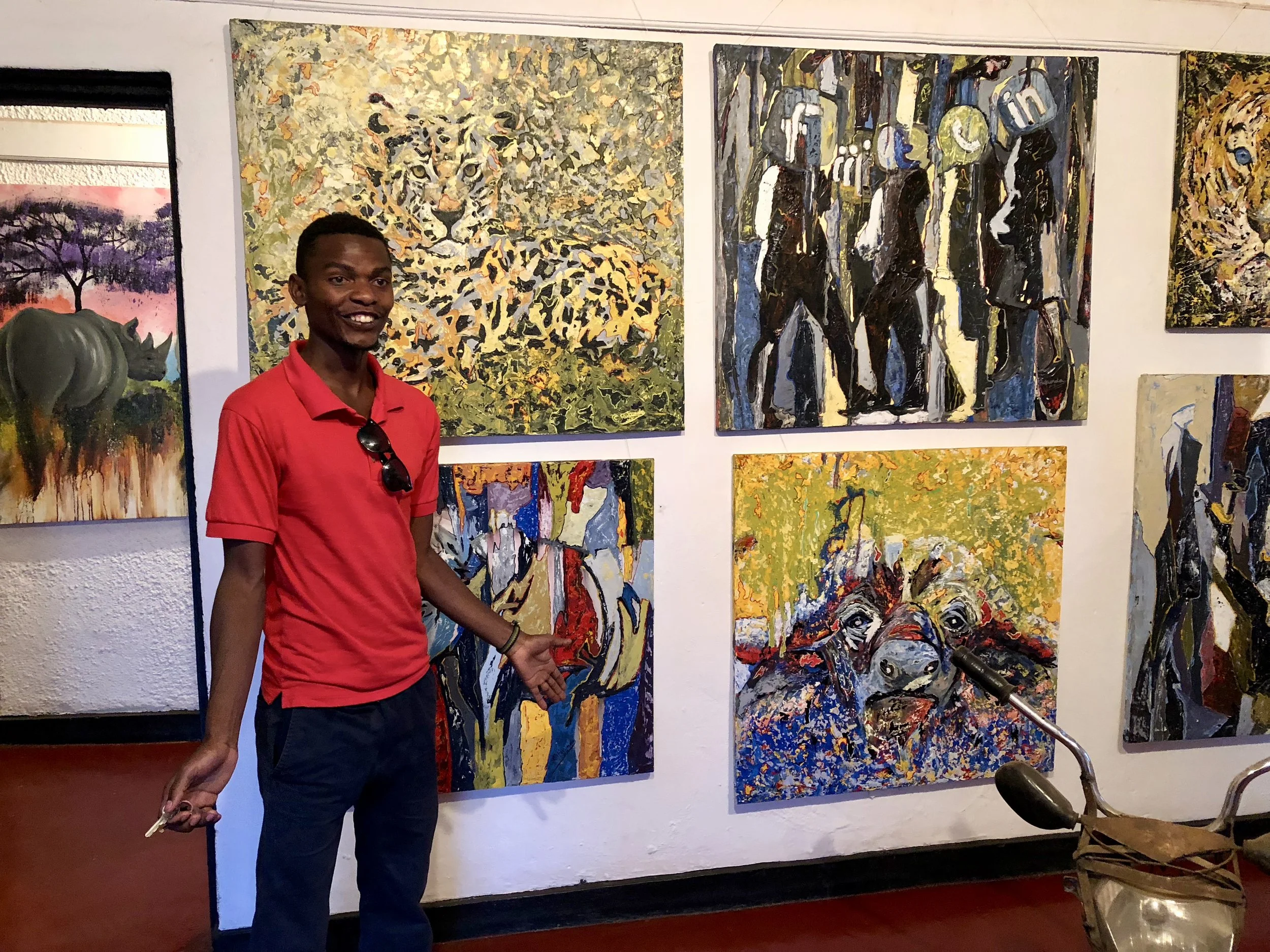
One of those people I always look forward to seeing is my friend and artists Rukundo Jean Baptiste, I love introducing travelers to people like him because an artist can sometimes tell you more about a country than a guidebook ever could. Step into a studio and suddenly you aren't simply looking at Rwanda, you are talking with someone who lives it. You see the unfinished work, the paint, the ideas scattered around the room and begin a conversation about what inspires him, what is changing and how he sees his country.
That is the kind of travel I love.
Kigali's creative world is fascinating. Galleries and independent studios are appearing throughout the city, and places such as Choose Kigali combine art, food and conversation in a way that feels completely natural. There is fashion, film, photography, music and a growing contemporary art scene, but I would also seek out the smaller spaces. Catch a local musician one evening. Find a film screening. Visit a studio that wasn't on your original itinerary. Browse a bookstore filled with Rwandan and African writers.
Kigali's creative world is becoming increasingly exciting, but then again, one of my favorite Kigali experiences couldn't be further removed from contemporary art.

Photo by Claire Harbage/NPR
Go to a milk bar.
Yes, a milk bar.
I love this one.
Milk bars are part of everyday Rwandan life, particularly around neighborhoods such as Nyamirambo. Order fresh milk or ikivuguto, the traditional fermented milk, sit down and simply watch life around you. Cattle and milk hold an important place in Rwandan culture, so something as seemingly ordinary as drinking a glass of milk becomes another small window into the country.
Don't turn it into a tourist attraction. Don't worry about getting the perfect photograph.
Just sit.
Some of my favorite travel memories come from exactly these kinds of moments, when nothing extraordinary is supposed to be happening.
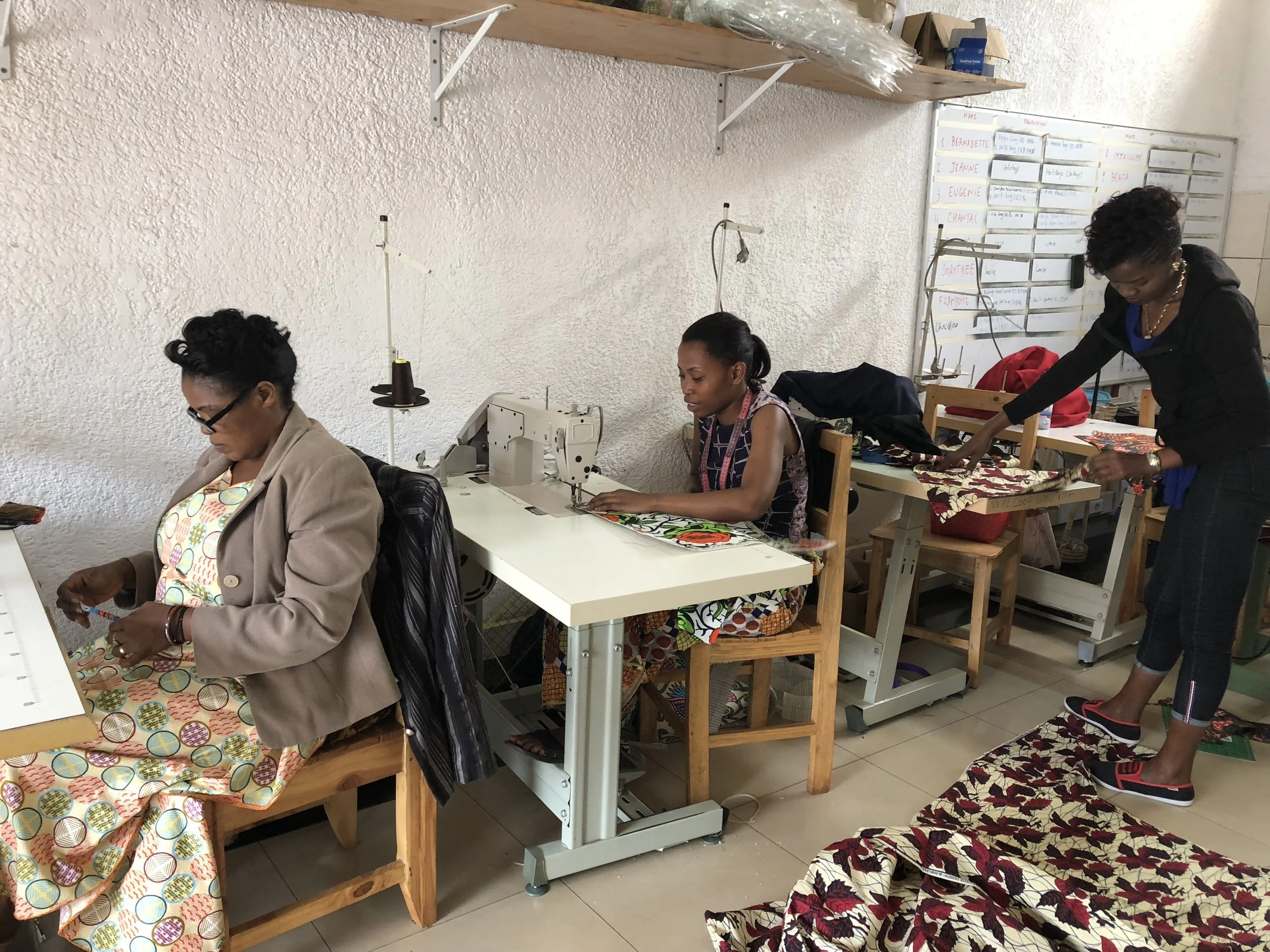
From there, wander through Nyamirambo, one of Kigali's oldest and liveliest neighborhoods. Better still, explore it with one of the women from the Nyamirambo Women's Center. Walk past tailors, neighborhood shops and street art, learn how cassava leaves become isombe, and perhaps end up cooking lunch in someone's home. The Women's Center began with a small group of Rwandan women and grew into something much larger: tourism, education, skills training and economic opportunity created from within the community.
That matters to me.
Community tourism should never be about arriving somewhere, taking a photograph and leaving. It should create an exchange, and ideally leave something behind besides our footprints.
Food is another wonderful way into Rwanda. Join a cooking class and you may find yourself outside over charcoal preparing isombe, beans, matooke, sweet potatoes and greens. Nothing elaborate. Nothing staged. Just food, conversation and perhaps a few laughs when you discover that your cooking skills aren't quite what you imagined.
Then there is coffee.
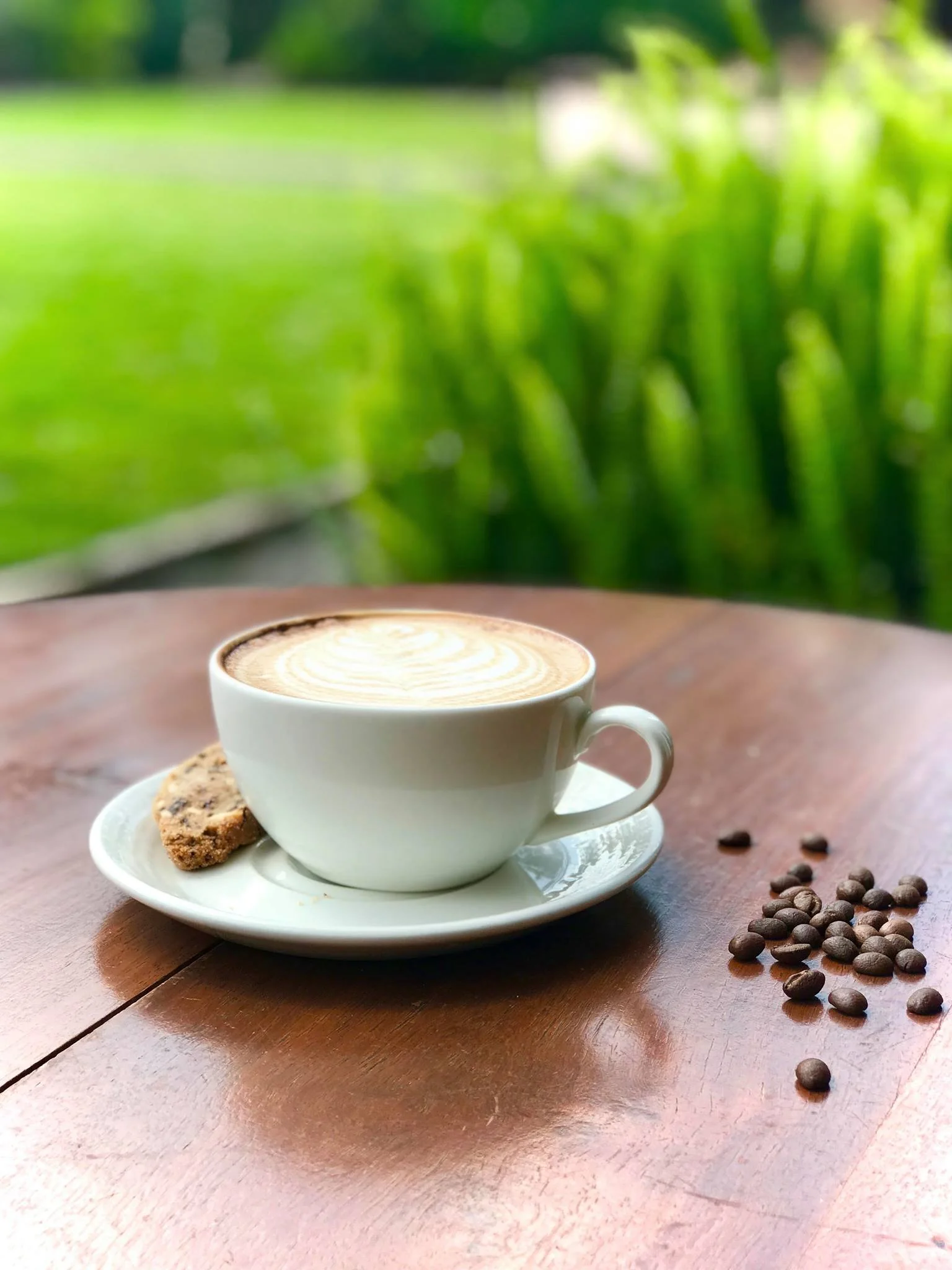
Rwanda produces exceptional coffee, and Kigali has embraced it beautifully. I love Question Coffee for the story behind the cup and the opportunity to understand how coffee travels from a Rwandan hillside into your hands. But I also love simply finding a café, ordering something and staying longer than necessary. Inzora, with its rooftop overlooking the city and a bookstore nearby, is exactly the sort of place where I could lose an afternoon.
Not every hour of a journey needs an activity attached to it.
In fact, one of the pleasures of Kigali is simply participating in the rhythm of the city. If you happen to be there for one of Kigali's car-free Sundays, get up in the morning and join everyone outside. Roads are temporarily turned over to walkers, runners and cyclists. Families exercise, friends meet, music plays and for a few hours the streets belong to people rather than cars.
Or experience umuganda, Rwanda's tradition of community work, when neighborhoods come together to clean, repair, plant and improve their surroundings. It helps explain something visitors notice almost immediately: Kigali is extraordinarily clean. But cleanliness is only what you see on the surface. Underneath it is a much more interesting idea about collective responsibility and community.
And Kigali is surprisingly green.
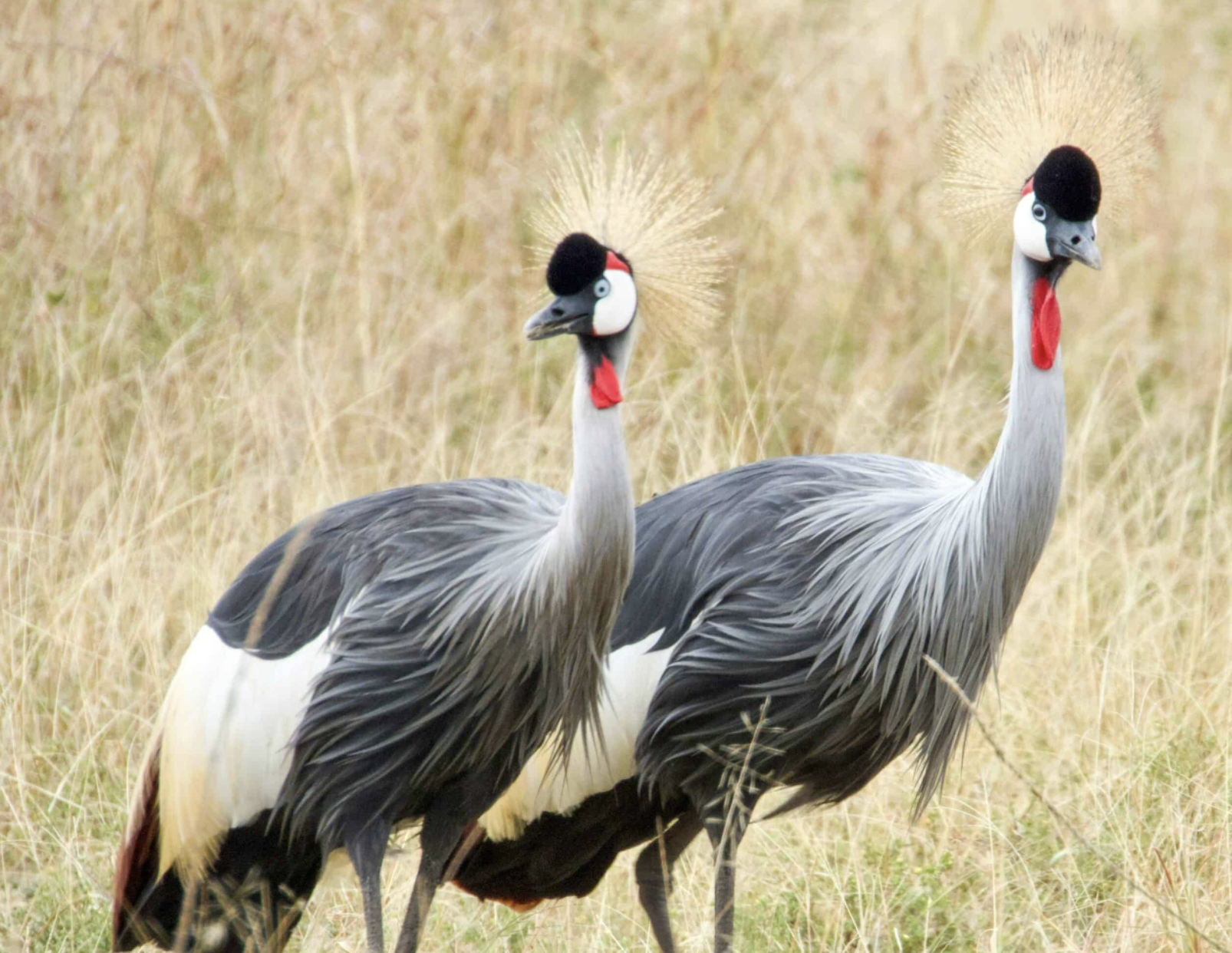
Take a walk through Nyandungu Eco-Park, a restored urban wetland filled with walking trails, indigenous plants and birdlife. Or venture to Umusambi Village, where rescued Grey Crowned Cranes that cannot safely return to the wild have sanctuary within restored wetlands.
I love seeing conservation woven into an African capital rather than something travelers only experience once they reach a national park.
And somewhere during all of this, you must make room for Kigali's history.
Of course, you cannot talk about Kigali without acknowledging its history.
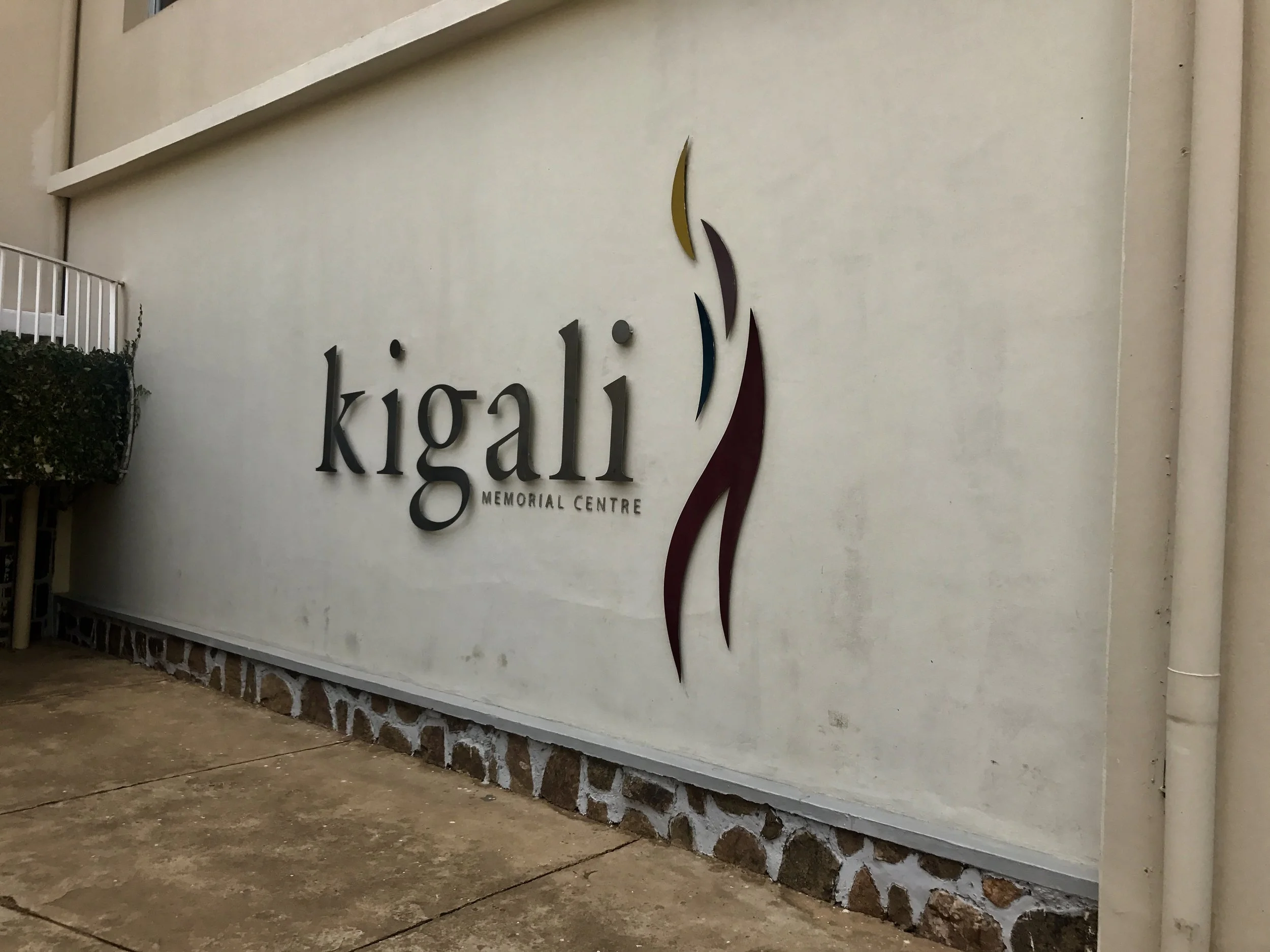
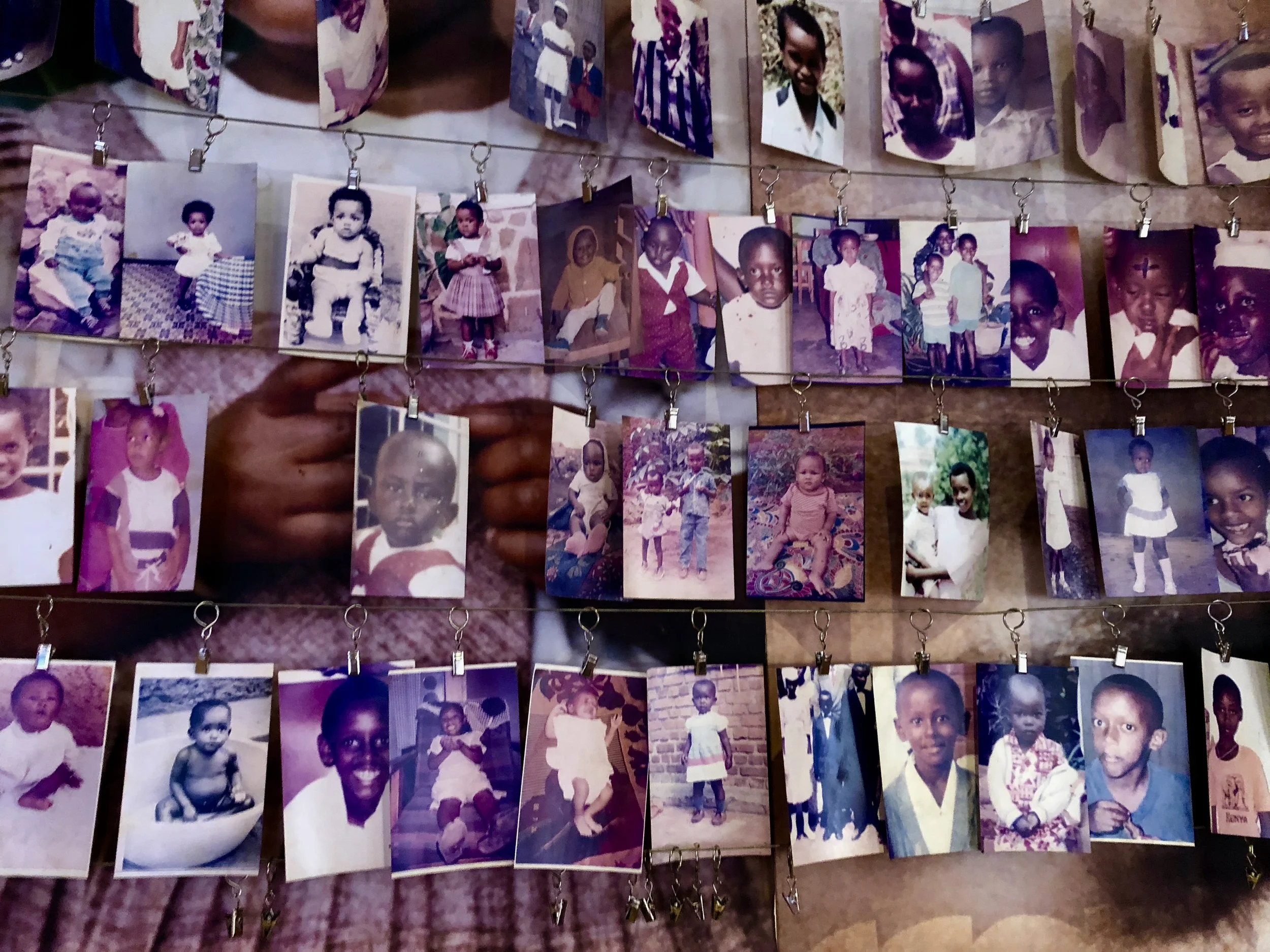
A visit to the Kigali Genocide Memorial is difficult, but I believe it is essential. I don't think of it as a tourist attraction. It is a place where you listen, learn and try to comprehend something that is almost impossible to comprehend. Rwanda's history is extraordinarily painful, and understanding even a little of what happened during the 1994 Genocide against the Tutsi changes the way you see the country around you.
And there is another place in Kigali where history lives in a very different way: Hôtel des Mille Collines.
The hotel opened in 1973 as Rwanda's grand hotel, but in 1994 it became a refuge. During the genocide, approximately 2,000 people found shelter within its walls. Today you can stay there, have lunch beside the pool or simply visit, but knowing what happened there changes the way you experience it.
That is one of the extraordinary things about Kigali. History isn't confined to a museum. Sometimes you are standing inside it.

Then there is another Kigali story I love, and it is almost the opposite, a story about arriving, staying and building something new.
Years ago, Alissa and Josh Ruxin came to Rwanda and made it their home. In 2008 they created Heaven, initially as a restaurant and hospitality-training facility. Their idea wasn't simply to open another restaurant. They wanted to train Rwandans in hospitality, culinary skills and service while creating employment and supporting local farmers, craftspeople and suppliers.
That small beginning grew.
Heaven became a boutique hotel, and later came The Retreat, an intimate, beautifully designed property in Kigali that combines contemporary Rwandan design with gardens, sustainability and a wonderful sense of calm. Today Heaven and The Retreat are two very different choices, but both carry the same philosophy of connecting hospitality to the community around them.
Josh eventually wrote about their life in Rwanda in a beautiful book called
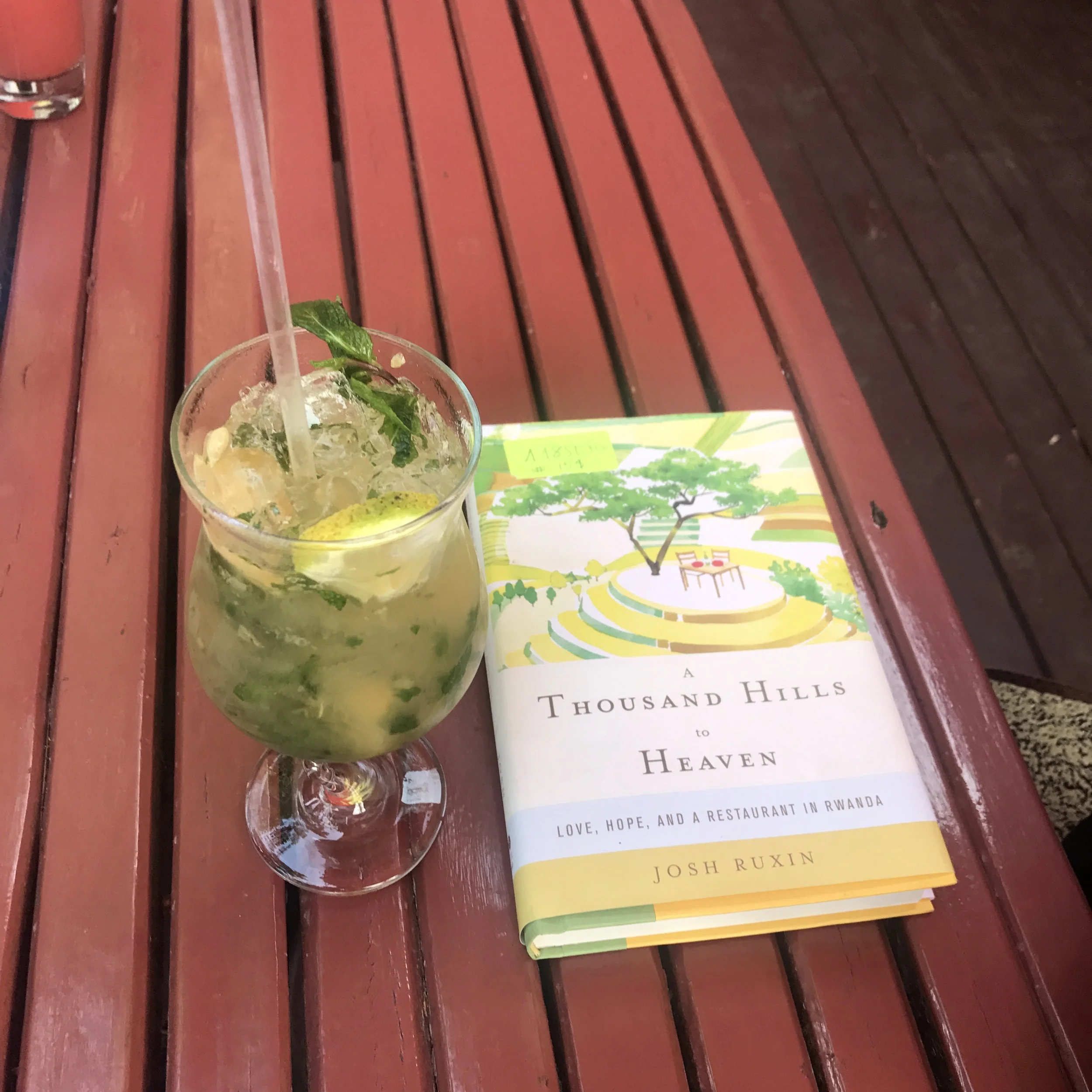
A Thousand Hills to Heaven: Love, Hope, and a Restaurant in Rwanda.
I love the book because it isn't simply about opening a restaurant. It is about Rwanda, marriage, idealism, frustration, food, people, rebuilding and what happens when you arrive somewhere thinking you might contribute something and discover how much the place changes you instead.
If you are traveling to Rwanda, read it before you go, or better yet, bring it with you and read a few chapters while sitting at Heaven. Suddenly the people, the hills and the city around you take on another dimension.
And this is why choosing where to stay in Kigali can become part of the story rather than simply somewhere to sleep.

Stay at Hôtel des Mille Collines if history is what draws you. Stay at Heaven Boutique Hotel if you prefer something smaller, warm and connected to the story of modern Kigali. And if you want something more intimate and luxurious, I love The Retreat, tucked into the leafy Kiyovu neighborhood, the sort of place where, after a long international flight, you can exhale and realize you have finally arrived in Africa.
And getting here is easier than many people imagine.
From the United States, I generally think of Kigali as a one-stop journey rather than something complicated. Depending on where you're starting, good connections are available through major international hubs such as Amsterdam, Brussels, Istanbul, Doha and Addis Ababa. From Europe, Kigali is even easier to reach, with excellent connections into East Africa. I always look beyond simply finding the cheapest airfare; a sensible connection and arrival time can make an enormous difference after a long journey.
Kigali International Airport is also refreshingly manageable. It isn't one of those enormous airports where you spend another hour trying to figure out where you are. You arrive, collect your luggage and before long you're winding through Kigali's hills toward your hotel.
Rwanda also makes arrival relatively straightforward. Travelers of all nationalities can obtain a visa on arrival, although the exact fee and visa-free eligibility depend on nationality. Your passport should be valid for at least six months. If Rwanda is part of a larger journey through Rwanda, Kenya and Uganda, the East Africa Tourist Visa can also be worth considering, depending on your itinerary.
I always recommend checking the latest entry and health requirements shortly before departure rather than relying on something you read months earlier. Carry your yellow fever certificate when applicable, keep copies of your travel documents, and please don't travel to Africa without comprehensive travel insurance, including medical evacuation coverage. It is one of those things we hope never to use, but when you need it, you really need it.
Once you're in Kigali, slow down.
Meet Rukundo. Step into an artist's studio. Wander through Nyamirambo. Drink Rwandan coffee. Sit in a milk bar even if you initially think the idea sounds slightly strange. Have dinner at Heaven. Walk through a gallery. Look at the fashion. Notice the architecture. Leave a little room for something you didn't plan.
And take time for the history.
Perhaps that is what strikes me most about Kigali. You can spend a morning confronting one of humanity's darkest chapters and an afternoon surrounded by young artists creating something entirely new. You see remembrance and ambition existing side by side.
Life continued.
Not by forgetting, but by moving forward.
So when I send people to Rwanda, yes, I want them to trek through the misty forests and stand quietly in front of a mountain gorilla. It remains one of the great privileges of traveling in Africa.
But I also want them to know Kigali.
Don't land and immediately leave.
Don't return from the gorillas and head straight for the airport.
Stay another day.
Maybe two.
Have that glass of milk. Meet the artist. Read the book. Sit over coffee without checking the time. Listen to someone's story.
Because the longer I travel, the more convinced I become that the places that stay with us aren't always the ones we came halfway around the world to see.
Sometimes they are the places we almost passed through.
Kigali is one of those places.
Sometimes it’s interesting to look back and see how all the pieces of a life somehow found their way together.
I recently shared a little of my story with VoyageAustin for their Hidden Gems Series, from growing up in Germany, to a long career in finance, to Africa, Kilimanjaro, loss, reinvention, and ultimately creating Urth Expedition.
It’s a story about following curiosity, trusting the unexpected turns, and discovering that sometimes the road you never planned becomes the one that feels most like home.
Thank you, VoyageAustin, for giving me the space to share it.
Conversations with Gabriele Brown
Read the VoyageAustin interview
Yours truly, Gabriele