
Pemba Island
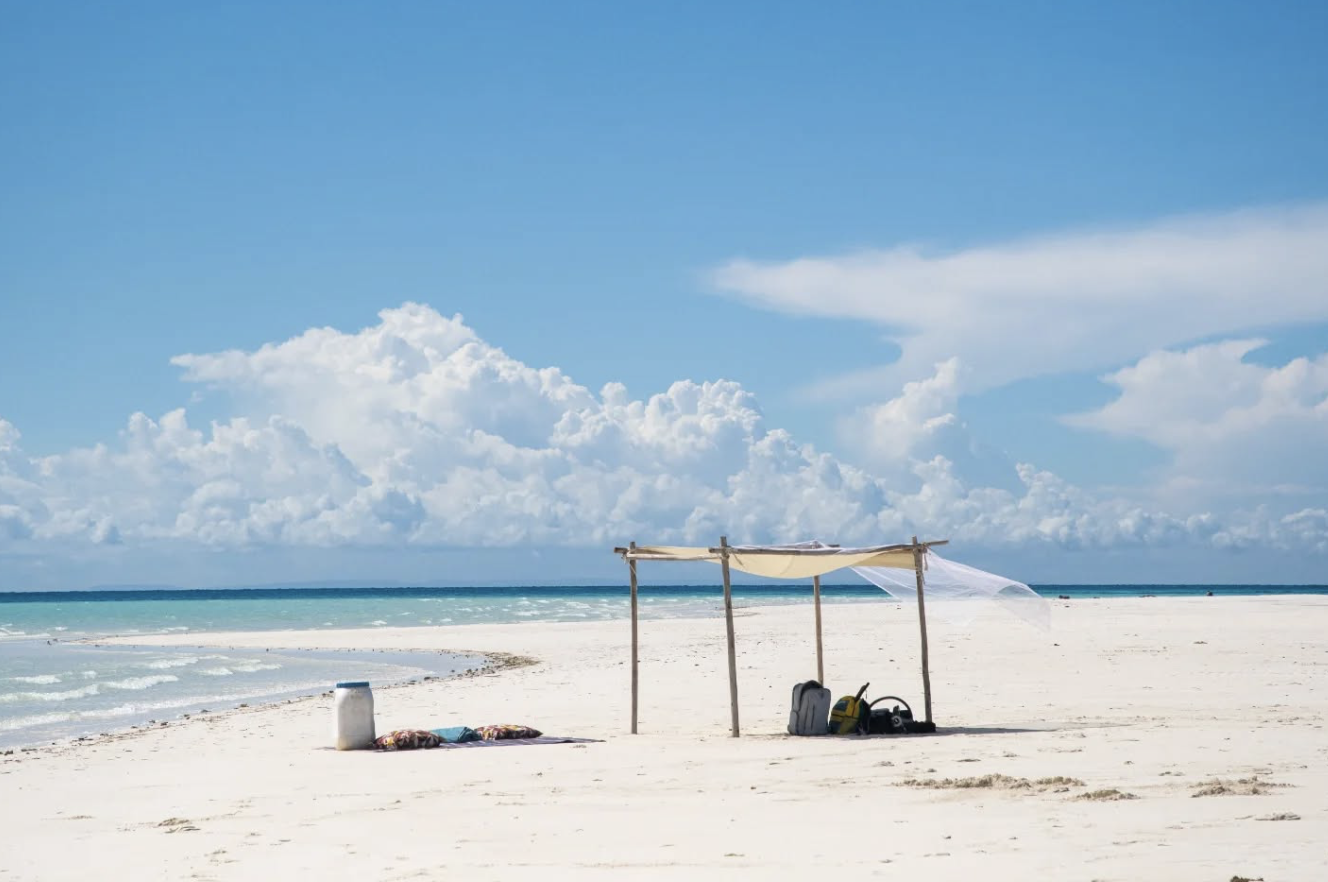
courtesy of the Aiyana
The African Paradise the World Forgot
Part of me hesitated to write this story.
Not because Pemba Island isn't extraordinary, but because places like this are becoming increasingly rare. Every traveler dreams of discovering somewhere untouched, somewhere authentic, somewhere the rest of the world hasn't yet found. And when you do find such a place, your first instinct is not to tell anyone.
Perhaps Pemba is one of those places.
While millions of travelers flock to Zanzibar each year, just 50 kilometers away lies an island that seems untouched by time. There are no beach clubs, no crowded resorts, and few souvenir shops. Instead, there are ancient Swahili ruins hidden beneath fragrant clove forests, fishermen still sailing traditional wooden dhows, and villages where the scent of cloves hangs permanently in the warm tropical air.
This is Pemba Island—perhaps East Africa's best-kept secret.
The Island That Scented the World
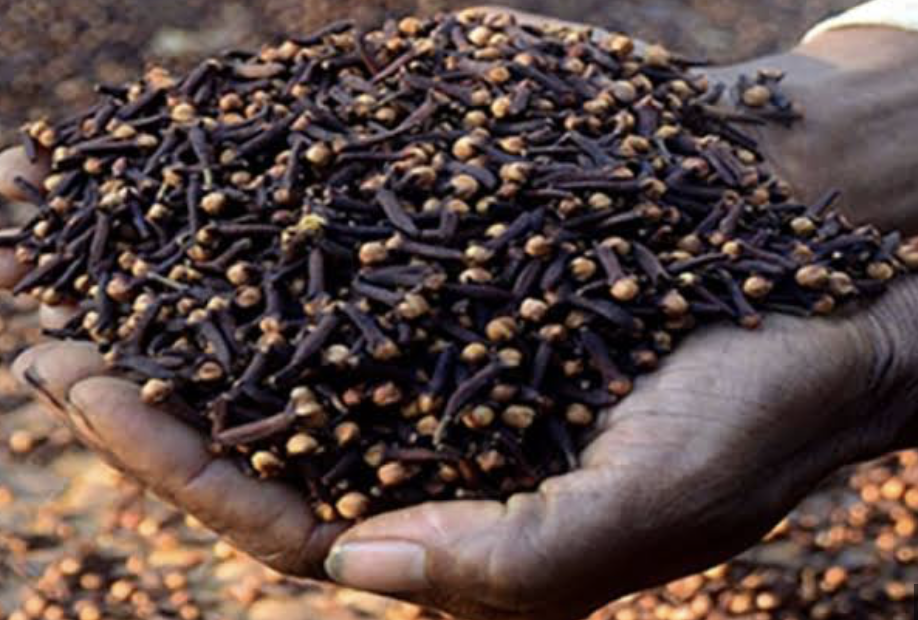
Few people realize that this quiet island was once one of the world's greatest producers of cloves. During the 19th century, Pemba's rich volcanic soil produced millions of clove trees, transforming the island into one of the most valuable spice-producing regions on Earth.
For generations, wooden sailing vessels carried these precious spices across the Indian Ocean to Arabia, Persia, India, Europe, and beyond. Cloves from Pemba flavored royal kitchens, filled medicine cabinets, and perfumed homes around the world.
Yet beneath that sweet fragrance lies a more difficult chapter. The prosperity of the clove trade was deeply intertwined with slavery during Omani rule, a reminder that history often carries both beauty and sorrow side by side. Even today, the scent drifting through Pemba's forests whispers stories of resilience, hardship, and hope.
Older Than Most Travelers Imagine
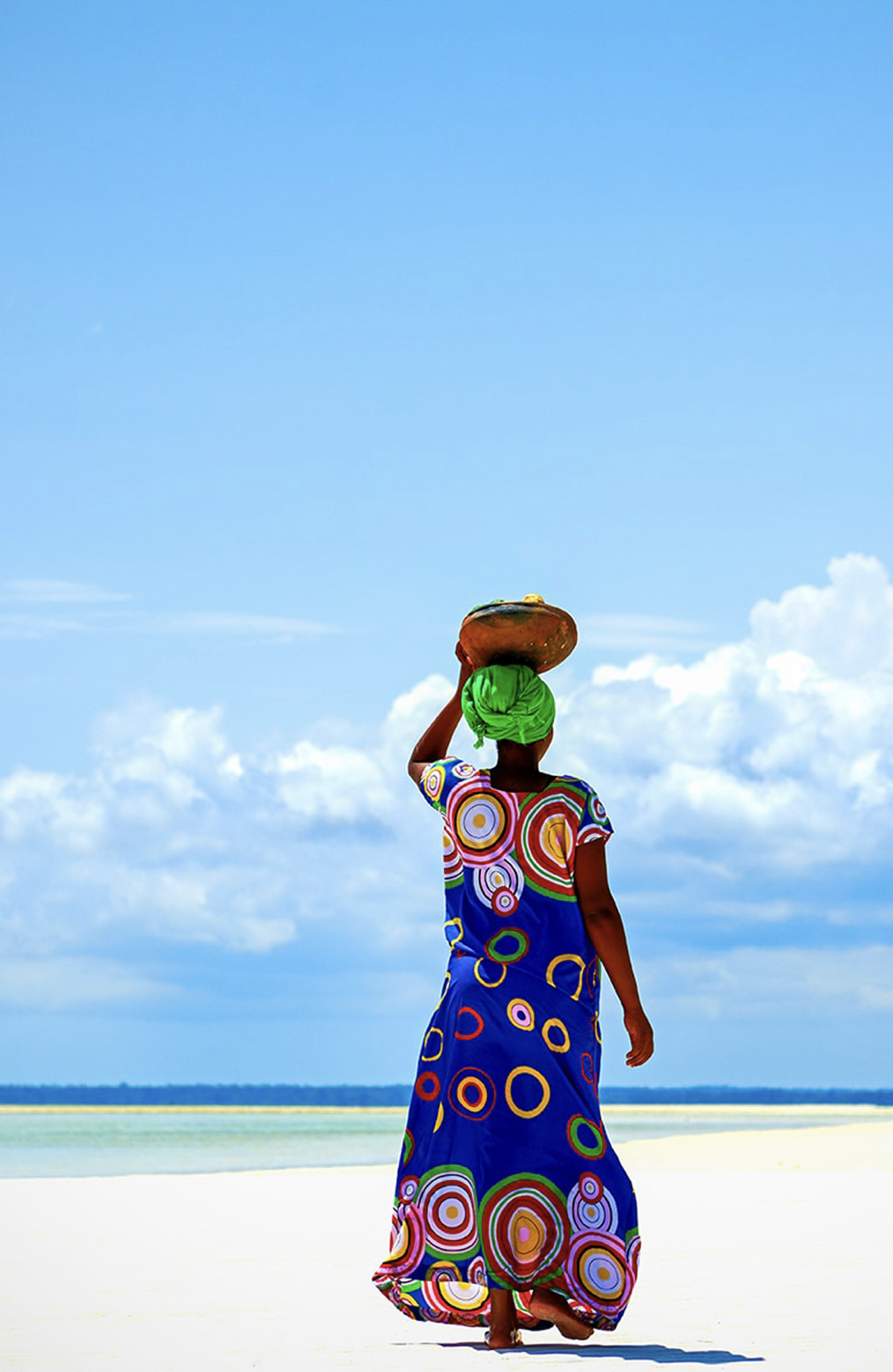
@aiyana
Long before European explorers arrived on East Africa's shores, Pemba was already a thriving center of trade. Persian merchants, Arab sailors, Indian traders, and even Chinese vessels crossed these waters, exchanging spices, ivory, textiles, and ideas.
Hidden beneath dense forests are the remains of ancient Swahili settlements dating back more than a thousand years. The ruins of Ras Mkumbuu and the fortified city of Mkama Ndume stand quietly among the trees, largely overlooked by modern tourism, yet they tell the story of a sophisticated civilization that flourished centuries before much of the world knew this island existed.
Walking these forgotten paths, it becomes impossible not to wonder how many stories remain buried beneath the roots of the clove trees.
Africa's Last Quiet Island
Unlike neighboring Zanzibar, Pemba has somehow escaped the rush of mass tourism.
Its winding roads pass emerald-green hills blanketed with banana groves, coconut palms, and endless spice plantations. Fishing villages wake with the sunrise as wooden dhows slip silently into the Indian Ocean. Children wave from village paths, elders gather beneath mango trees, and life unfolds according to the rhythm of the tides rather than the ticking of a clock.
This isn't a destination where travelers come to be entertained.
It's where they come to reconnect—with nature, with history, with local culture, and perhaps even with themselves.
Beneath the Surface
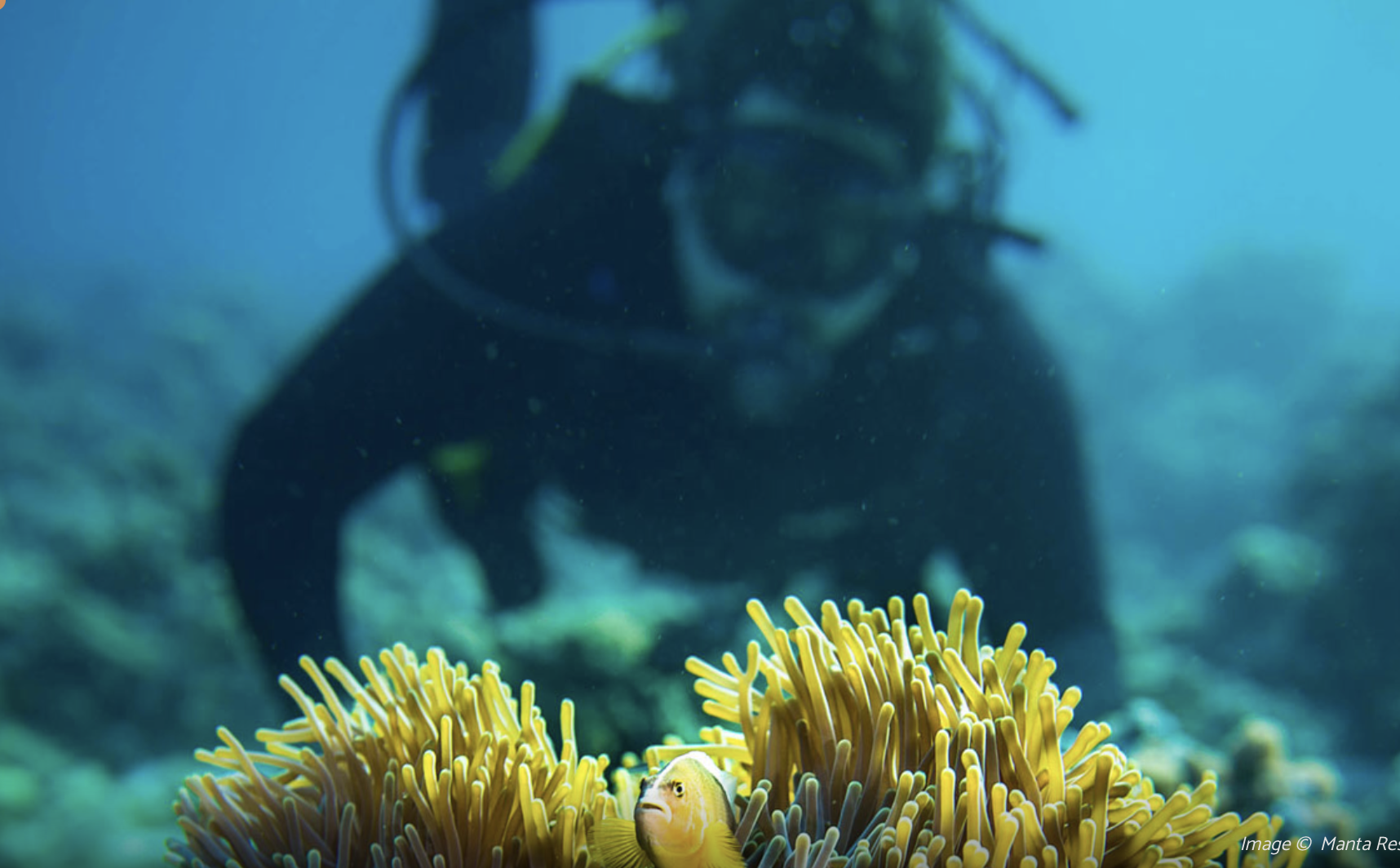
@MantaResort
If Pemba's forests tell one story, its surrounding waters tell another.
The deep Pemba Channel shelters some of the healthiest coral reefs in the Indian Ocean. Dramatic underwater walls plunge into the blue, where sea turtles glide effortlessly above vibrant coral gardens, reef sharks patrol the currents, and seasonal whale sharks pass through these remarkably rich waters.
It is one of those rare places where divers often find themselves alone with the ocean.
No crowds.
No queues.
Just silence and the endless rhythm of the sea.
The Island of Legends
Every island has its stories.
Pemba's most famous is the legend of Popobawa, a mysterious winged spirit said to roam the island after dark. Whether viewed as folklore, superstition, or a reflection of deeper cultural traditions, the legend has become woven into the identity of Pemba and reminds visitors that some mysteries are never meant to be fully explained.
Not every story needs an answer.
Some simply remind us to wonder.
Why Pemba Matters Today
@theAiyana
We live in an age where many of the world's most beautiful destinations have slowly surrendered their identity to tourism. Authenticity is becoming harder to find, replaced by crowds, schedules, and carefully curated experiences.
Pemba chose a different path.
There are no crowds competing for sunsets.
No endless rows of luxury hotels.
No pressure to see everything before moving on.
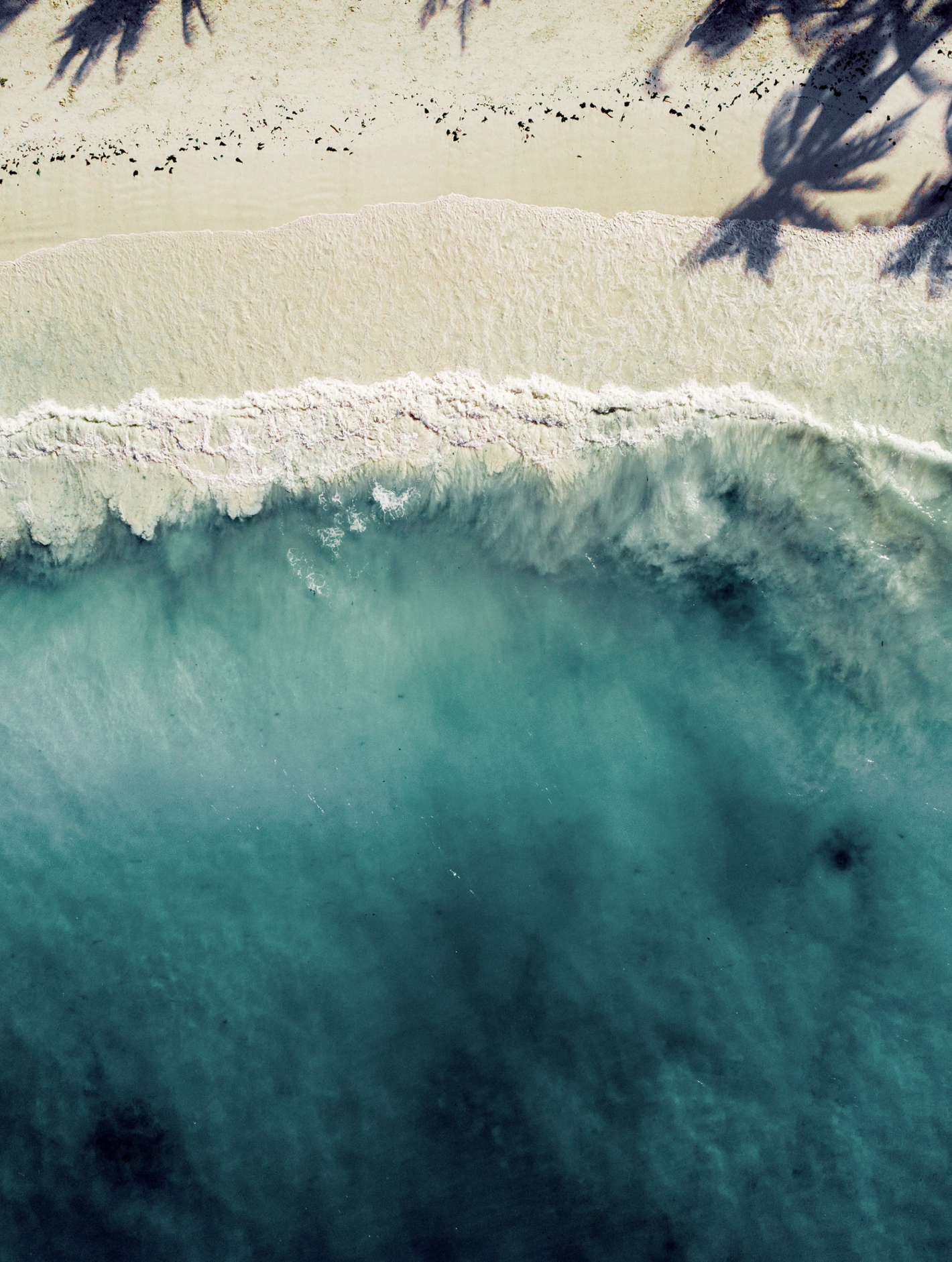
Only the fragrance of cloves drifting through the breeze, ancient Swahili history beneath your feet, fishermen returning home with the day's catch, and an island that has quietly protected something many places have lost—its soul.
Sometimes the greatest journeys are not to the places everyone knows.
They are to the places the world almost forgot.
And perhaps, after reading this, you'll understand why part of me still hopes it stays that way.