
Gombe National Park: Into the Forest Where It All Began
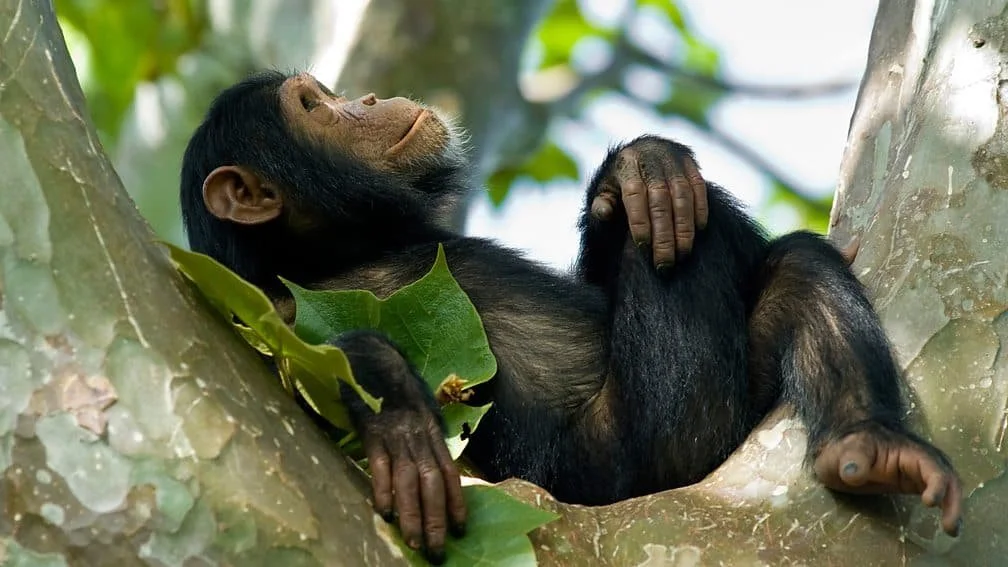
There is another Tanzania beyond the Serengeti plains.
Far to the west, almost at the edge of the country, the landscape changes completely. The endless savannah disappears, replaced by steep green mountains, tangled rainforest and the deep blue waters of Lake Tanganyika.
This is Gombe National Park.
It is Tanzania at its wildest and most intimate, a place reached by boat, explored on foot and forever connected to one of the most remarkable stories in conservation.
This is where Jane Goodall came in 1960 as a young woman with little more than patience, curiosity and an extraordinary ability to observe. What she discovered among Gombe’s chimpanzees changed the way we understood them — and ultimately changed the way we understood ourselves.
More than six decades later, you can still walk into these forests and encounter descendants of the chimpanzees that first captured her attention.
And that is what makes Gombe so special.
Walking Into Jane Goodall’s World
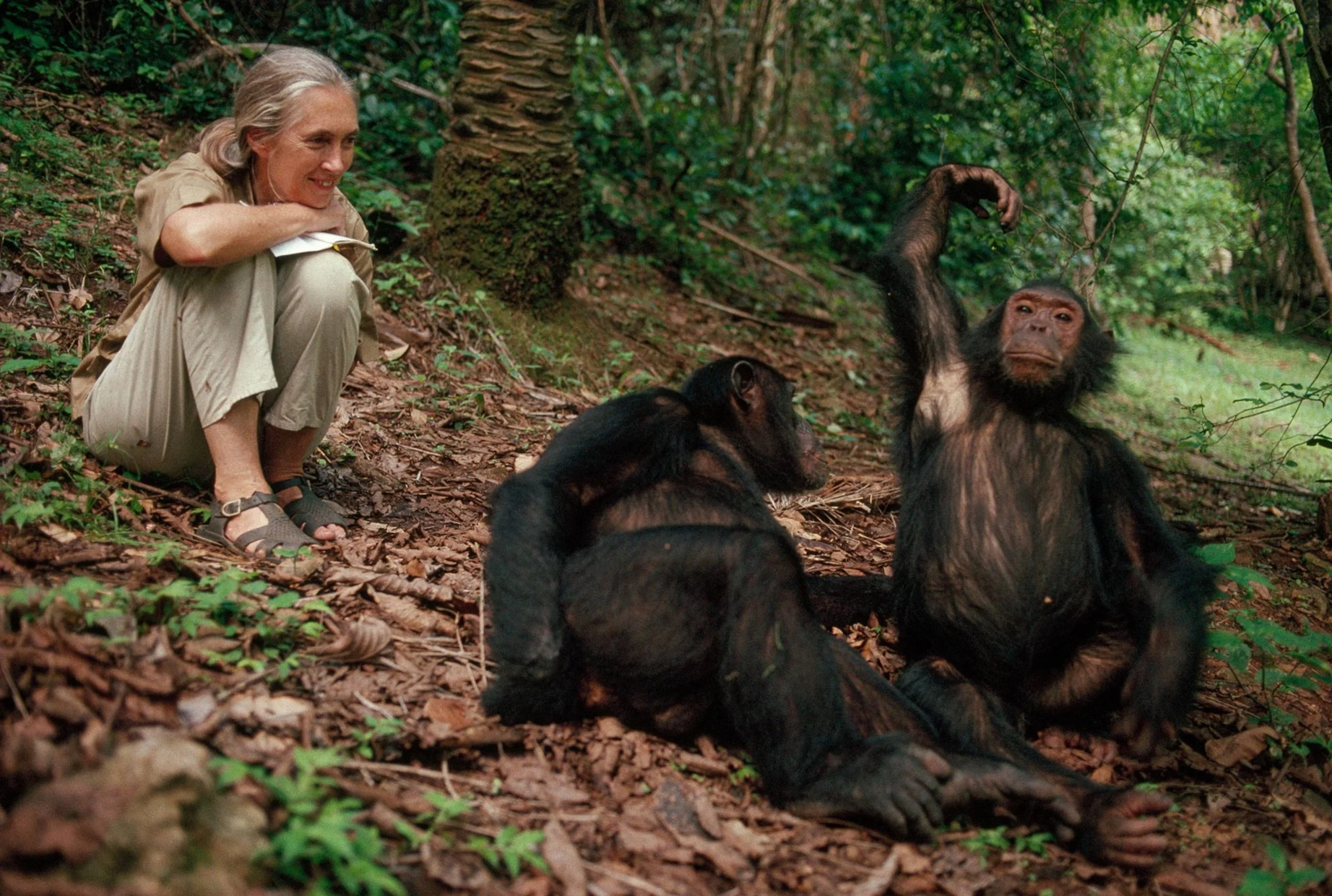
There are no traditional game drives in Gombe.
No safari vehicle separating you from the landscape. No vast plains where animals can be spotted from miles away.
You walk.
Accompanied by experienced trackers and park rangers, you enter a forest alive with sounds you may not immediately recognize. Leaves move overhead. Branches crack somewhere beyond your sight. Birds call through the canopy. Occasionally, everything becomes strangely quiet.
And then you hear them.
Chimpanzees are rarely silent creatures. Their calls can travel astonishing distances through the forest, and hearing them before seeing them only heightens the anticipation.
Finding them can happen quickly, or it may require several hours of trekking over steep and sometimes challenging terrain. That uncertainty is part of the experience. This isn't a staged wildlife encounter, and nothing here happens on our schedule.
Eventually, the forest may suddenly reveal what you came all this way to see.
A chimpanzee sitting quietly beneath a tree.
A mother carrying her infant.
Youngsters tumbling through the branches.
Members of the group grooming one another with an intimacy that feels remarkably familiar.
Standing quietly in their presence, it becomes almost impossible not to recognize something of ourselves in them.
Where Our Understanding Changed
Jane Goodall arrived at Gombe in July 1960 to study wild chimpanzees under the mentorship of paleontologist Louis Leakey.
At the time, remarkably little was known about chimpanzee behavior in the wild.
Goodall's observations would challenge some of the most fundamental assumptions about what separated humans from other animals.
Most famously, she documented chimpanzees modifying grass stems and twigs to extract termites from their nests — making and using tools at a time when toolmaking was widely regarded as uniquely human behavior.
But her work revealed something much larger.
Chimpanzees had individual personalities. They formed complicated relationships. They nurtured their young, created alliances, displayed affection, competed for status and experienced conflict.
Gombe became a living laboratory for understanding another species — and one of the world's longest-running studies of wild animals.
The park was formally established in 1968, protecting this remarkable ecosystem along the shores of Lake Tanganyika.
Today, visiting Gombe isn't simply about seeing chimpanzees. It is about entering a place that helped reshape modern conservation and our understanding of the natural world.
A Different Kind of Safari
Gombe is not for everyone.
And perhaps that is precisely why I find it so compelling.
Getting here requires effort. Tanzania's western frontier is far removed from the familiar northern safari circuit. You first travel to Kigoma, on the eastern shore of Lake Tanganyika, and from there continue by boat to Gombe.
There are no roads leading into the park.
That remoteness naturally limits the number of visitors and preserves something increasingly difficult to find in travel: a genuine sense of discovery.
Your days are shaped by the forest rather than an itinerary.
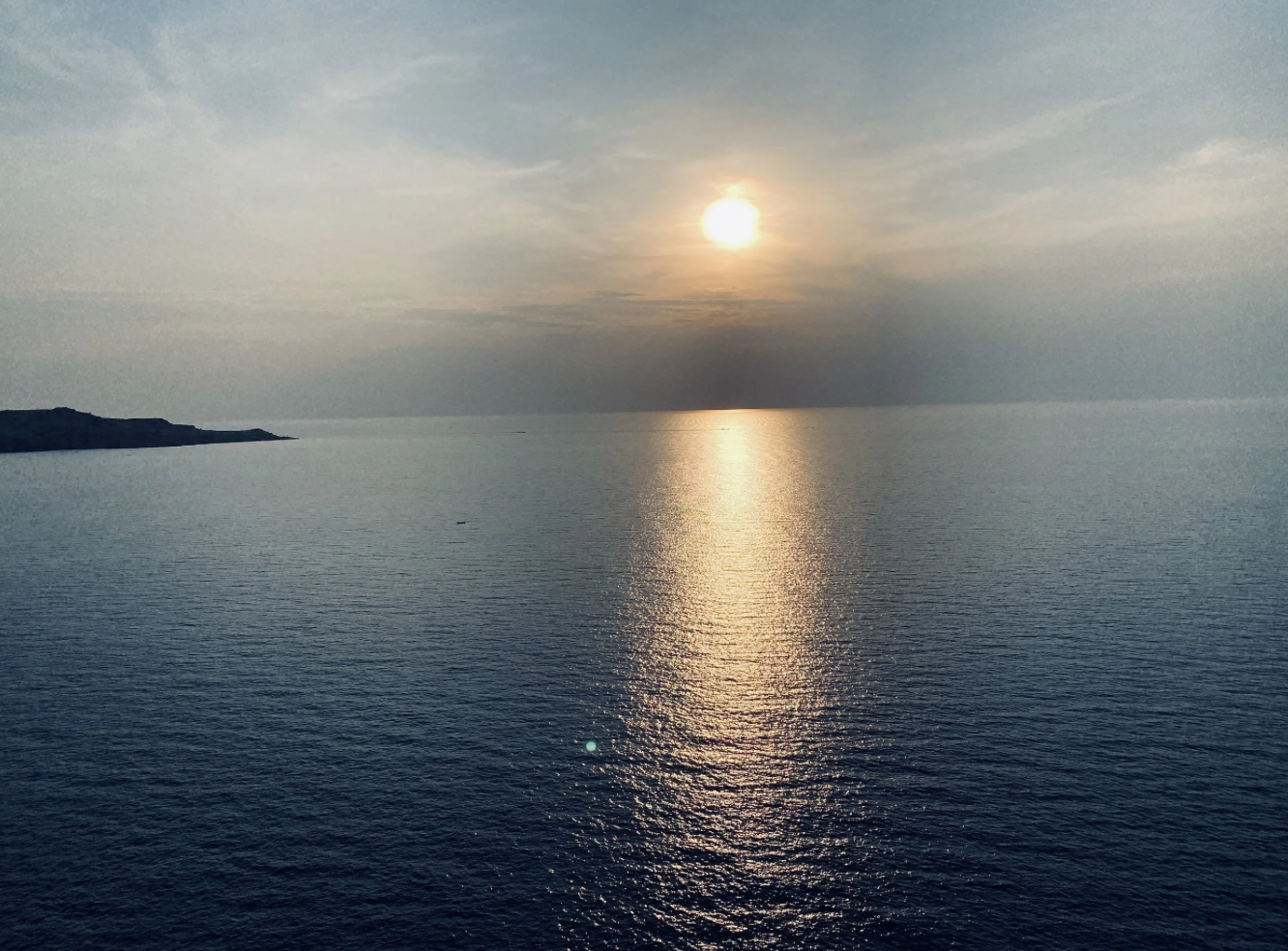
You wake to Lake Tanganyika outside your door. You trek beneath towering trees looking for chimpanzees. You return tired, muddy and exhilarated. And in the evening, the lake stretches toward the horizon as the sun disappears over one of Africa's most extraordinary landscapes.
It is slow travel in the truest sense.
More Than Chimpanzees
The chimpanzees may bring you to Gombe, but the forest deserves your attention too.
The park protects an extraordinary transition between East Africa and the forests of Central Africa. Olive baboons, red-tailed monkeys, blue monkeys and red colobus move through the trees alongside an impressive variety of birds.
Waterfalls tumble through the forested hills, trails climb toward viewpoints over Lake Tanganyika, and the shoreline offers moments of stillness that feel worlds away from Tanzania's busier safari destinations.
Lake Tanganyika itself is part of the story.
Stretching through four countries, it is the world's longest freshwater lake and one of its deepest. From Gombe's shoreline, its scale feels almost oceanic.
When to Visit Gombe
Gombe can be visited throughout much of the year, but June through October generally offers the easiest trekking conditions.
During the dry season, trails are more manageable and chimpanzees often remain closer to the lower slopes, which can make locating them easier.
The wetter months transform the forest into an intensely green landscape, but trekking can become more demanding. Trails may be muddy and slippery, humidity rises and chimpanzees can range farther through the forest in search of food.
This is a rainforest experience, however, and weather is never entirely predictable.
That is part of Gombe.
What to Bring
This is one destination where proper footwear matters.
Good hiking shoes or waterproof boots with ankle support are important, as trails can be steep, uneven and slippery. Lightweight long trousers and long sleeves provide protection from vegetation and insects, while a light waterproof shell is useful even during the drier months.
Binoculars are worth carrying, particularly for primates and birds high in the canopy.
For photographers, Gombe presents a very different challenge from a traditional safari. Light beneath the forest canopy can be low and constantly changing, and the chimpanzees rarely position themselves where we would like them to.
But some of the most memorable photographs happen precisely because nothing here can be orchestrated.
Getting to Gombe
Part of Gombe's magic is getting there.
Most travelers reach Kigoma, the principal town on the Tanzanian shore of Lake Tanganyika, by air from elsewhere in Tanzania.
From Kigoma, the journey continues across the lake by boat.
There is something wonderfully appropriate about approaching Gombe from the water. Forested mountains rise directly from the shoreline, villages appear and disappear along the lake, and slowly the modern world seems to fall away behind you.
For travelers with more time, western Tanzania can also be combined with Mahale Mountains National Park, another exceptional chimpanzee habitat farther south along Lake Tanganyika.
Together, Gombe and Mahale reveal a Tanzania completely different from the country most safari travelers know.
Where to Stay
Accommodation around Gombe is deliberately limited, which suits the character of the park.
Mbali Mbali Gombe Lodge sits beneath the forest along the shores of Lake Tanganyika and offers the most comfortable base for exploring the park. Simpler accommodation is also available through the national park.
Kigoma has additional options for travelers spending a night before or after their Gombe experience.
But this isn't a destination I would rush.
After traveling so far to reach western Tanzania, I would rather spend enough time here to allow the forest to dictate the rhythm of the journey.
Why Gombe Matters
Travel across Tanzania long enough and you begin to realize how little of the country most visitors actually see.
The Serengeti is extraordinary. Ngorongoro is extraordinary. Tarangire remains one of my favorite landscapes.
But Tanzania does not end there.
Gombe represents something increasingly valuable in African travel: a place that still requires curiosity and effort to reach.
There is history here. There is science. There is conservation. There is wilderness.
But ultimately, Gombe is about connection.
You walk into a forest where Jane Goodall once sat quietly observing animals the world barely understood. You follow the calls through the trees. And perhaps, somewhere beneath that enormous green canopy, you find yourself sitting quietly a few meters from a chimpanzee who looks back at you.
For a moment, there is no vehicle, no checklist and no rush to move on to the next sighting.
Just two primates looking at one another across a very small evolutionary distance.
This is the Tanzania I want travelers to discover — slowly, thoughtfully and with enough time to understand why a place matters.
Urth Expedition designs private, thoughtfully paced journeys throughout Tanzania and East Africa, including journeys beyond the traditional safari circuit. Gombe can be incorporated into a longer Tanzania itinerary or designed as part of a dedicated western Tanzania experience.
