
Tanzania’s Enchanting Islands
Where History, Culture, and the Indian Ocean Converge
Tanzania’s islands are often celebrated for their beaches and turquoise seas, but to stop there would be to miss their true essence. These islands are living archives of the Indian Ocean world, shaped by centuries of trade, migration, faith, and cultural exchange. Beneath palm-lined shores and spice-scented air lies a layered history that continues to shape life today.
At Urth Expedition, we believe travel is richer when you understand the stories of the land. Tanzania’s islands invite you not just to relax, but to listen.
Zanzibar – The Heart of the Swahili Coast
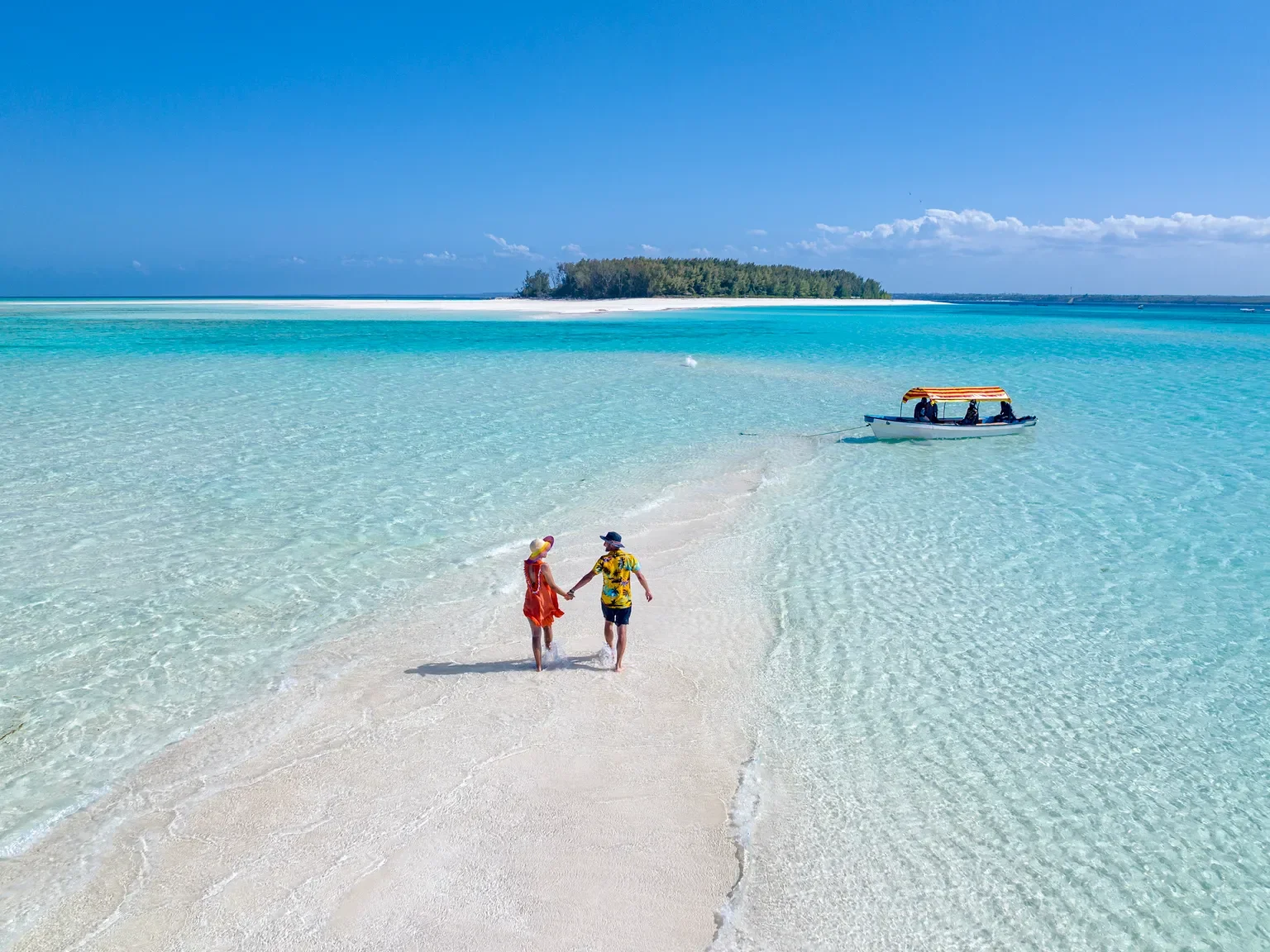
What most people call Zanzibar is actually Unguja, the main island of the archipelago. Its name is thought to derive from Persian roots meaning “the coast of the black people,” a clue to the deep connections between Africa and the wider Indian Ocean world.
By the 10th century, Persian traders had settled here, blending with local Bantu communities and giving rise to Swahili culture, one of Africa’s most enduring coastal identities. Over the centuries, Zanzibar became a powerful crossroads linking Africa, Arabia, and Asia.
Under the Omani Sultanate in the 17th and 18th centuries, the island flourished as the center of the spice trade. Clove plantations spread across the landscape, and Zanzibar’s ports buzzed with commerce—ivory, gold, and, tragically, enslaved people. The legacy of this painful chapter is still visible today, most poignantly in Stone Town.
British colonial rule followed in the late 19th century, and slavery was abolished in 1897. After independence in 1963, the Zanzibar Revolution of 1964 reshaped the island’s political future, leading to its union with Tanganyika and the birth of modern Tanzania.
Today, Zanzibar is both vibrant and reflective, where carved wooden doors, mosques, churches, and markets tell stories of resilience, complexity, and cultural fusion.
Mafia Island – Quiet Depths, Ancient Routes
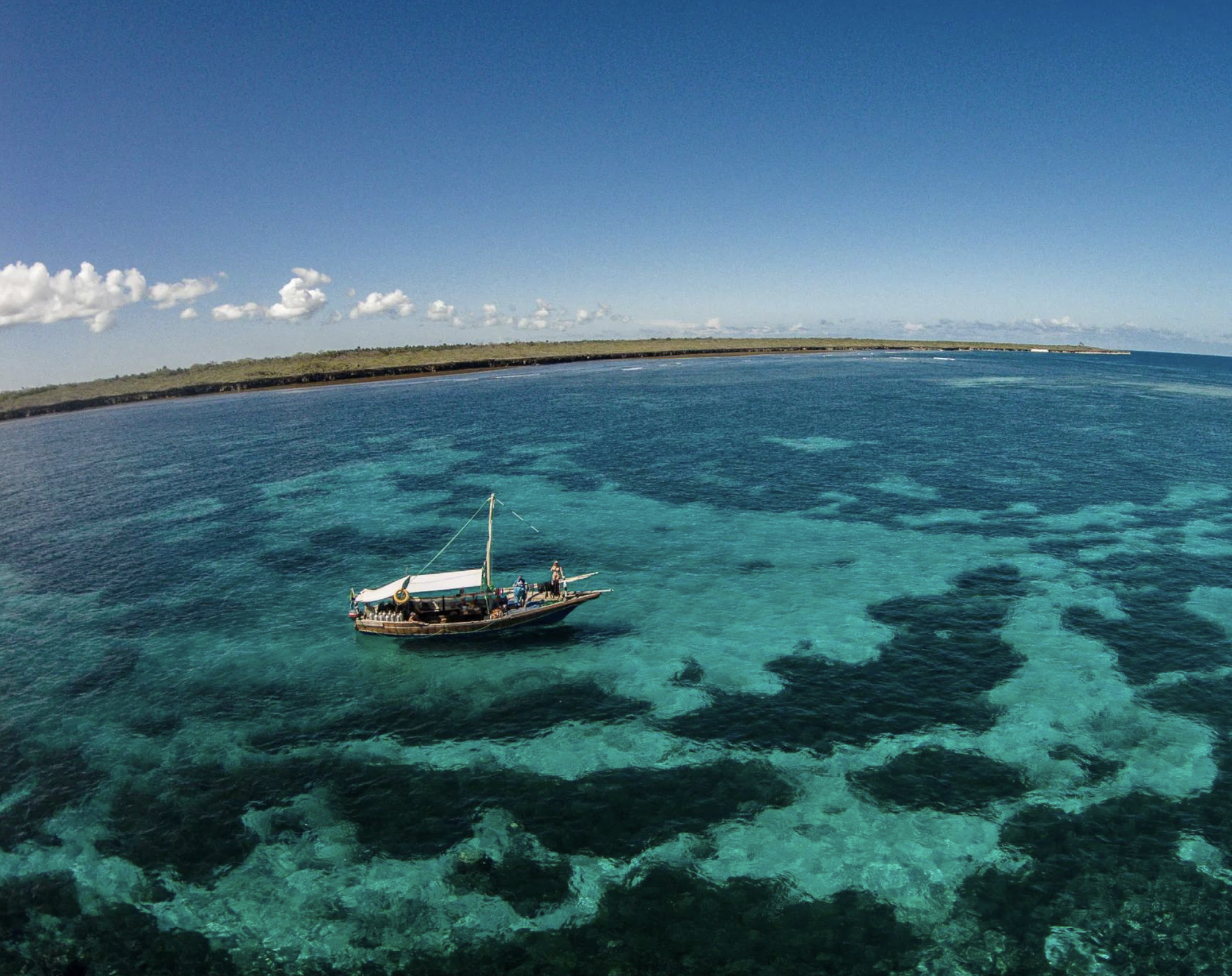
Less known, yet deeply compelling, Mafia Island feels worlds away from Zanzibar’s bustle. Long before tourism, it played a vital role in ancient trade routes linking East Africa with Arabia and India.
As part of the Kilwa Sultanate from as early as the 8th century, Mafia thrived on trade in gold and ivory. Ruins of mosques and settlements still rest quietly among palms, reminders of a once-bustling maritime hub.
Later, during German colonial rule, the island saw another chapter added to its story. Today, Mafia is best known for its pristine marine environment yet its true richness lies in the contrast between its tranquil present and its storied past.
Pemba – The Green Island
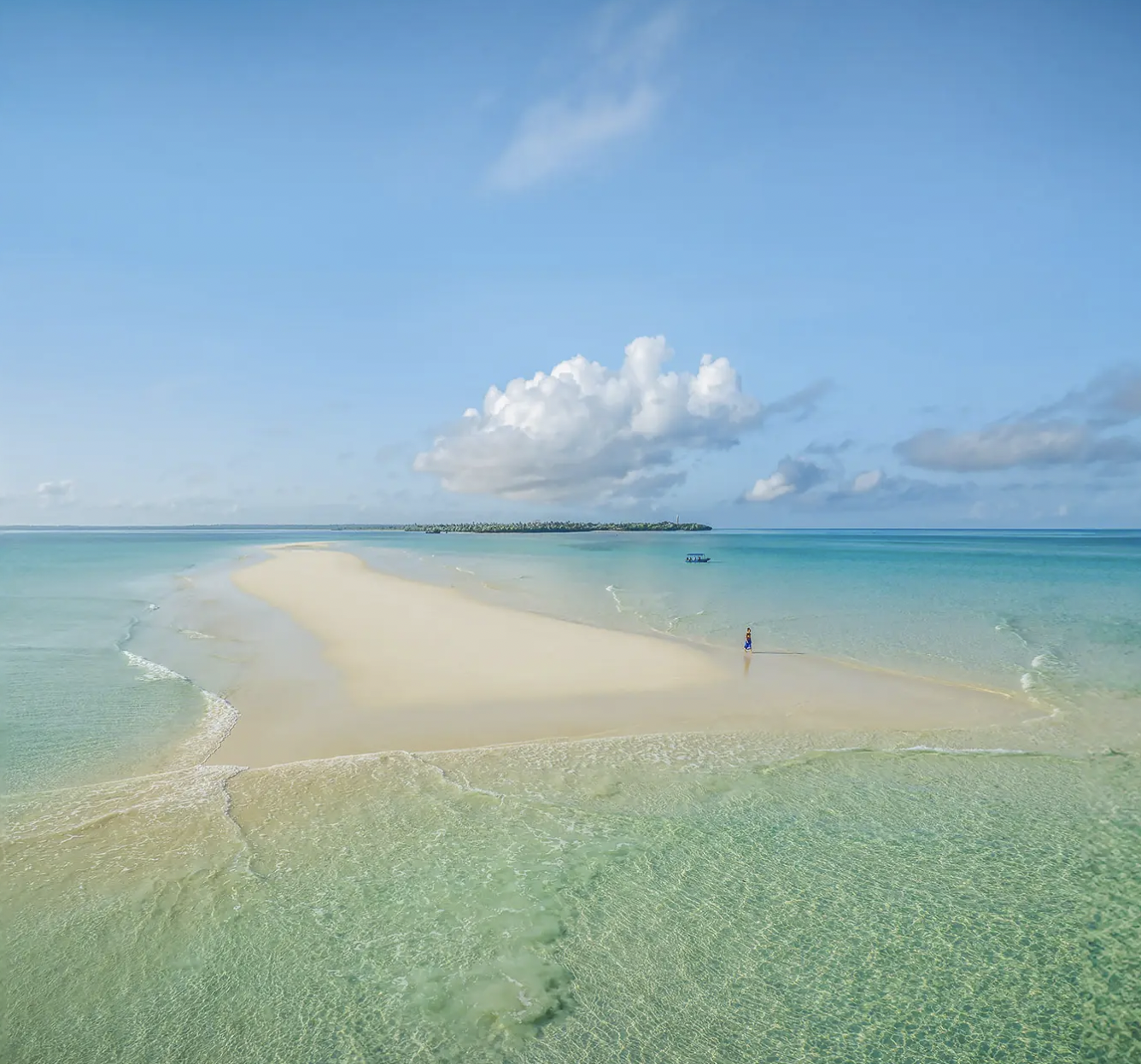
Lush, fertile, and often overlooked, Pemba is Zanzibar’s quieter sibling. Historically, it was deeply embedded in the Swahili Coast trade network and remains closely tied to the spice trade, particularly cloves.
Pemba’s strategic position once attracted traders—and pirates. Scattered ruins of forts and settlements still dot the island, whispering stories of defense, trade, and survival. Life here moves at a gentler pace, closely connected to land, tradition, and community.
Kilwa Kisiwani – A Swahili Empire Remembered
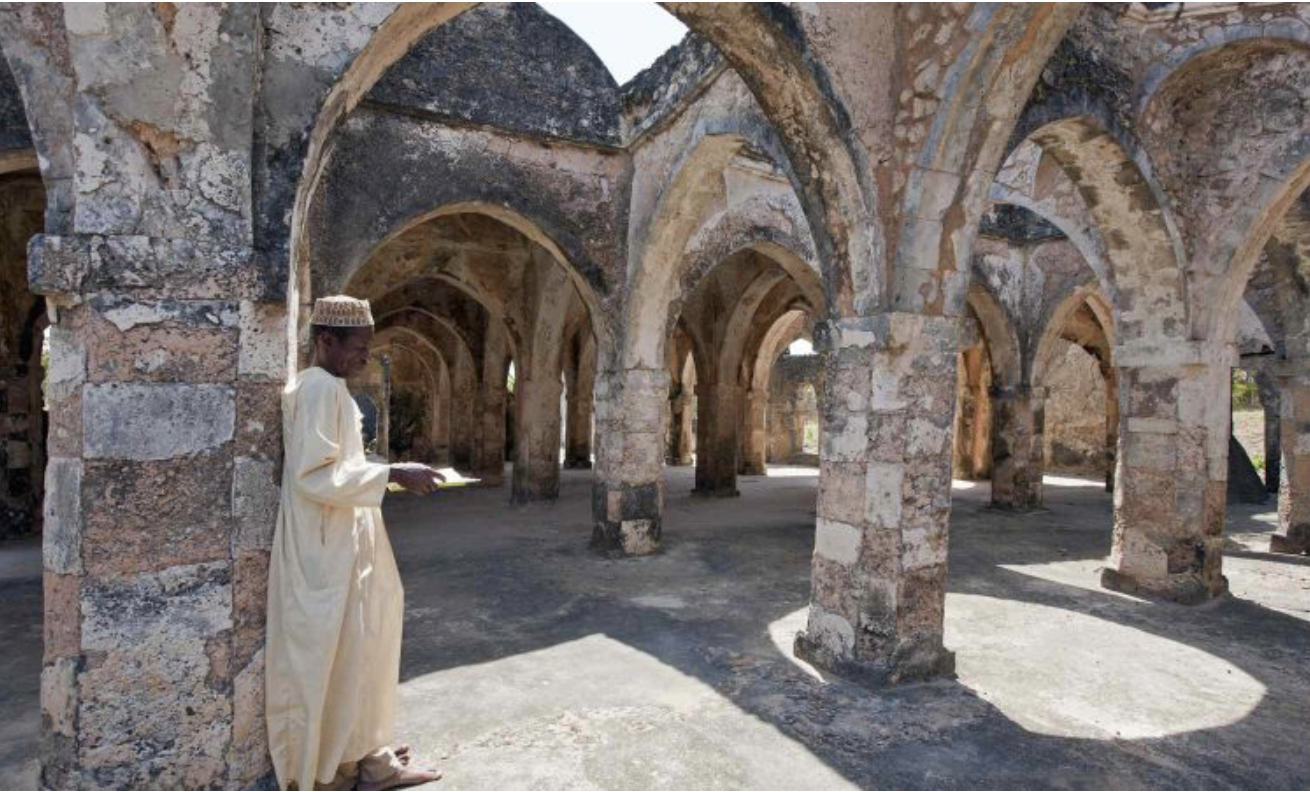
Though not part of the Zanzibar archipelago, Kilwa Kisiwani is essential to understanding Tanzania’s coastal history. From the 9th to the 15th century, it was one of the most powerful city-states on the Swahili Coast, controlling trade routes that reached deep into Africa and across the Indian Ocean.
At its height, Kilwa rivaled the great ports of the world. Today, its haunting ruins, now a UNESCO World Heritage Site, stand as a testament to African maritime power, innovation, and global connection long before colonial rule.
Threads That Bind the Islands
Across all these islands, a shared identity emerges:
Swahili culture, born from African, Arab, Persian, and Indian influences
A deep connection to the Indian Ocean trade routes
A complex legacy of commerce, faith, and human struggle
Architecture, language, and traditions that continue to evolve, not freeze in time
Traveling with Intention
Beyond their beauty, Tanzania’s islands offer something rare: the chance to engage with living history while supporting communities and conservation. From Stone Town’s winding alleys to Mafia’s marine sanctuaries, from Pemba’s clove-scented hills to Kilwa’s silent ruins, these places reward those who travel slowly and with curiosity.
At Urth Expedition, we don’t see these islands as extensions of a safari, but as essential chapters in East Africa’s story. To visit them is to step into a dialogue between past and present, land and sea, people and place.
And that is where meaningful travel begins.
Island Hopping – Marine Magic in the Indian Ocean
SUMMARY OF THE JOURNEY
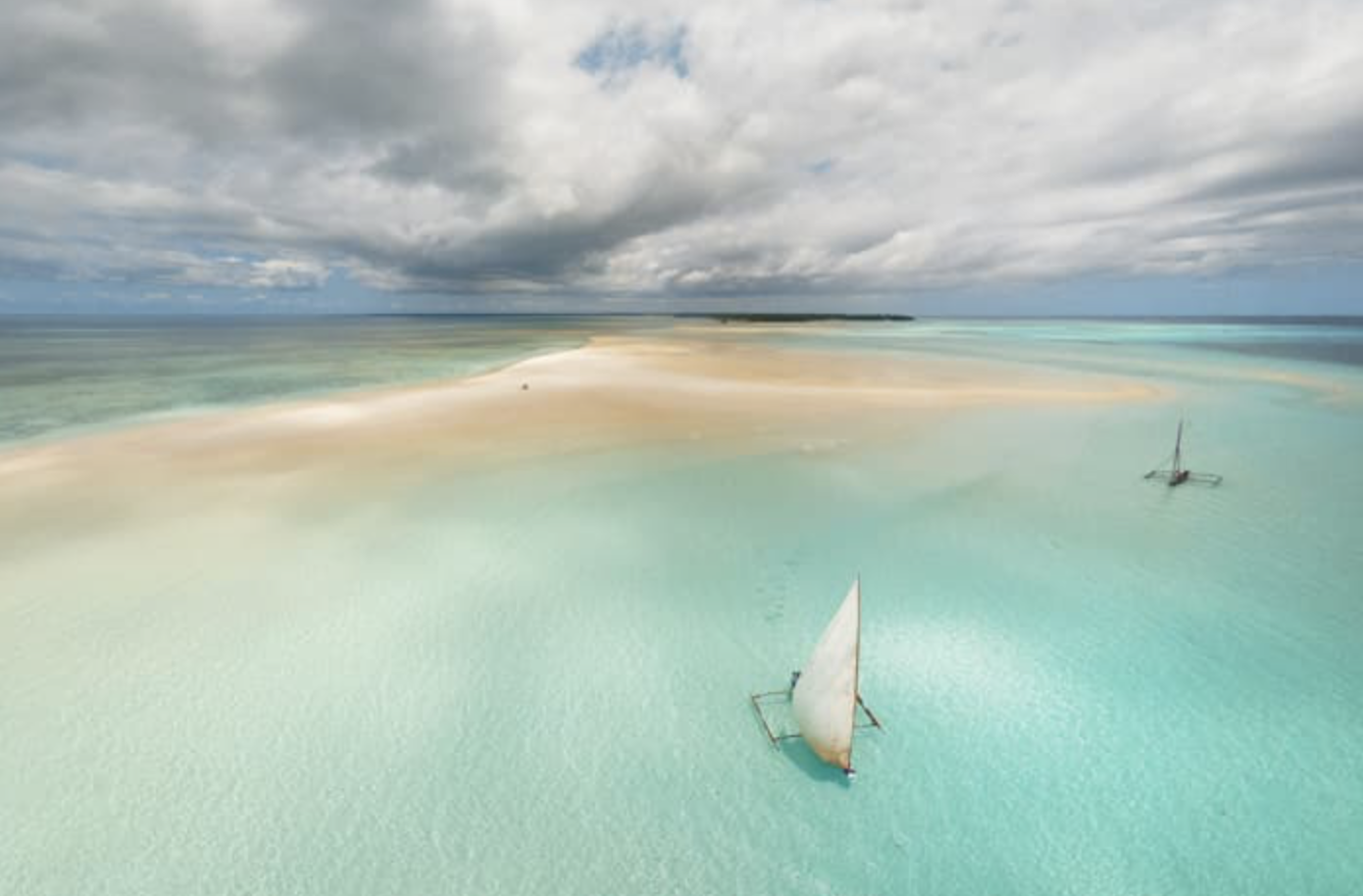
Island hopping along Tanzania’s Indian Ocean coast is pure magic, a slow unfolding of turquoise waters, ancient cultures, and wild, untouched beauty. This journey weaves together marine encounters, eco-luxury escapes, and cultural discovery across some of East Africa’s most extraordinary islands.
Swim with gentle whale sharks in the warm waters of Mafia Island, wander mangrove forests and time-worn ruins, and breathe in the scent of cloves and cinnamon in Zanzibar’s legendary spice markets. From the barefoot seclusion of Fanjove Private Island to the world-class reefs of Mnemba and the untamed landscapes of Pemba, each island reveals a distinct rhythm and story.
This is a journey designed for travelers who value nature, authenticity, and space to simply be.
THE EXPERIENCE
Your adventure begins on Mafia Island, where protected marine parks offer exceptional snorkeling and diving, and, in season, unforgettable encounters with whale sharks. Between ocean explorations, you’ll glide through mangroves and visit historic Chole Island, where Swahili culture and craftsmanship endure.
From there, you escape to Fanjove Private Island, a castaway-style eco-retreat where days unfold barefoot: kayaking, snorkeling, climbing the historic lighthouse for panoramic views, and dining on freshly caught seafood under the stars.
Next, you arrive in Zanzibar, immersing yourself in the layered history of Stone Town. You’ll wander narrow alleys, explore UNESCO-listed landmarks, and visit spice plantations that once shaped global trade, ending the day with a sunset dhow cruise along the coast.
A short boat ride delivers you to Mnemba Island, a private atoll ringed by coral reefs. Here, time slows. Snorkel with turtles and schools of tropical fish, paddle across glassy waters, or simply relax on powder-soft beaches, barefoot luxury at its finest.
Your journey concludes on Pemba Island, a place of raw beauty and deep-rooted traditions. Explore Ngezi Forest Reserve, home to endemic wildlife, visit clove plantations, and experience the quieter, less-visited side of island life before returning to Zanzibar.
HIGHLIGHTS
Snorkeling & diving in pristine marine parks
Whale shark encounters (seasonal)
Cultural heritage & historic island life
Remote, untouched beaches
Eco-luxury & conservation-focused stays
WHAT’S INCLUDED
All accommodations and scheduled meals
Domestic flights and boat transfers
Guided snorkeling, diving, and marine activities
Cultural and historical excursions
All park, conservation, and entrance fees
Tourism and carbon-offset levies
DAY-BY-DAY OVERVIEW
Itinerary subject to change
Day 1 – Mafia Island
Arrive from Dar es Salaam and settle into island life. Beach time, ocean breezes, and a welcome briefing over a fresh seafood dinner.
Day 2 – Mafia Marine Park & Chole Island
Snorkel or dive vibrant reefs, with an optional whale shark excursion (seasonal). Explore mangroves and visit Chole Island’s historic ruins and crafts.
Day 3 – Fanjove Private Island
Fly and transfer by boat to this secluded eco-island. Kayak, snorkel, relax, and enjoy sunset views from the historic lighthouse.
Day 4 – Zanzibar: Stone Town & Spice Tour
Discover the cultural heart of Zanzibar with a guided Stone Town walk and spice plantation visit. End the day with a sunset dhow cruise.
Day 5 – Mnemba Island Atoll
Transfer to Mnemba Island for world-class snorkeling, paddleboarding, and uninterrupted beach time surrounded by turquoise waters.
Day 6 – Pemba Island
Fly to Pemba and explore Ngezi Forest Reserve and clove plantations, learning about the island’s biodiversity and spice heritage.
Day 7 – Pemba Island & Departure
Enjoy the coast, local villages, or final snorkeling before returning to Zanzibar for onward travel.
WHY WE LOVE IT
“Island hopping in Tanzania feels like traveling through parallel worlds, each island with its own soul, pace, and beauty. From whale sharks to spice markets to silent beaches, it’s unforgettable.”
WHEN TO TRAVEL
Best from June to March for calm seas and marine life.
Whale shark season: October to March.