
Legacy in Kigali, Rwanda
Footprints of the Past, Guardians of Today, and the Promise of Tomorrow
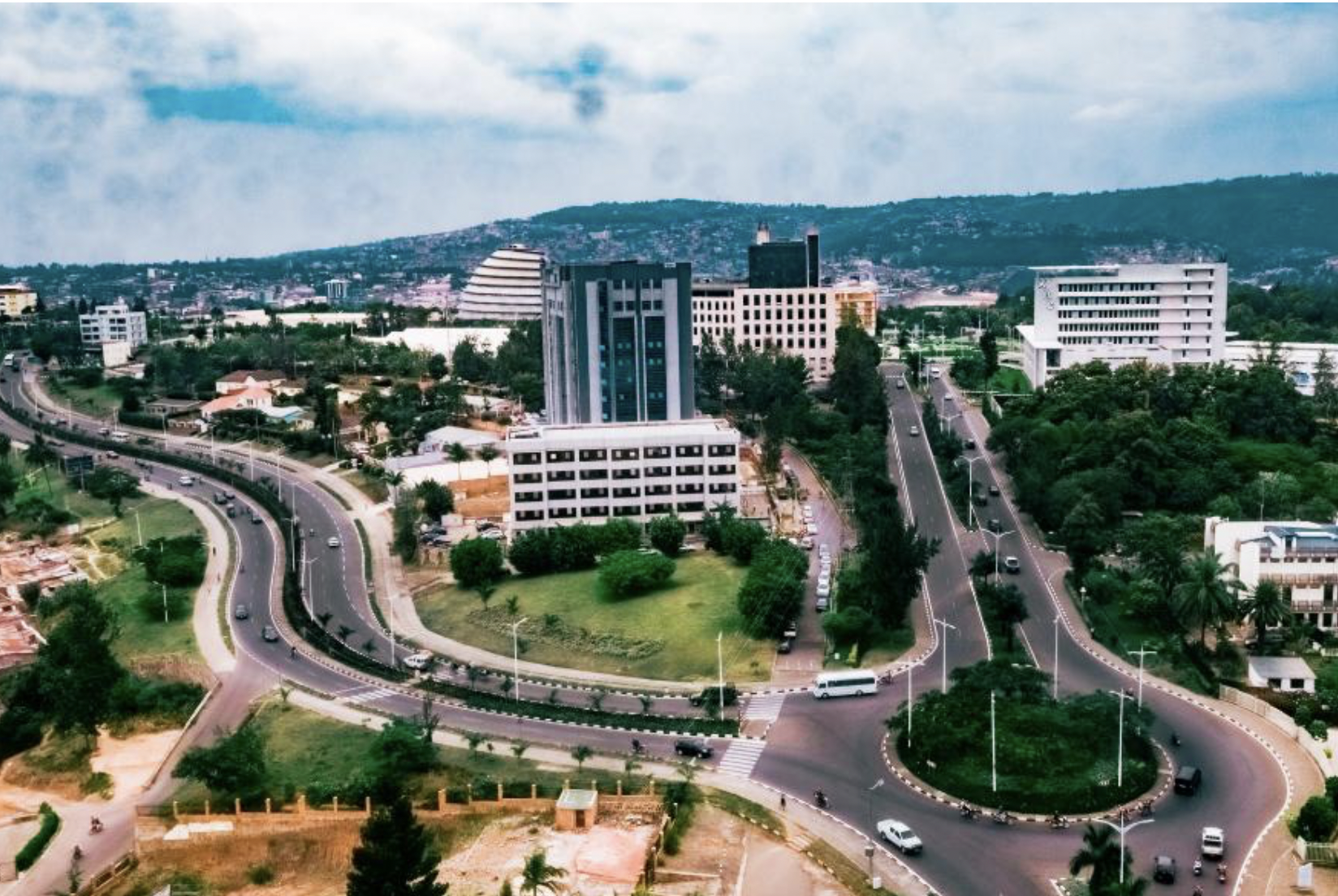
Kigali sits on rolling green hills, but what stays with you isn’t just the view, it’s the feeling.
This is a city that carries its history with honesty. It doesn’t hide what happened here… and it doesn’t live in it either. Kigali moves forward with quiet strength, and that kind of resilience is something you don’t just “learn about.” You feel it in your bones.
Here, legacy isn’t a word people throw around.
Legacy is lived, in remembrance, in culture, in conservation, and in the way Rwanda is intentionally shaping what comes next.
Where memory becomes a compass
Every meaningful journey through Kigali begins with remembrance.
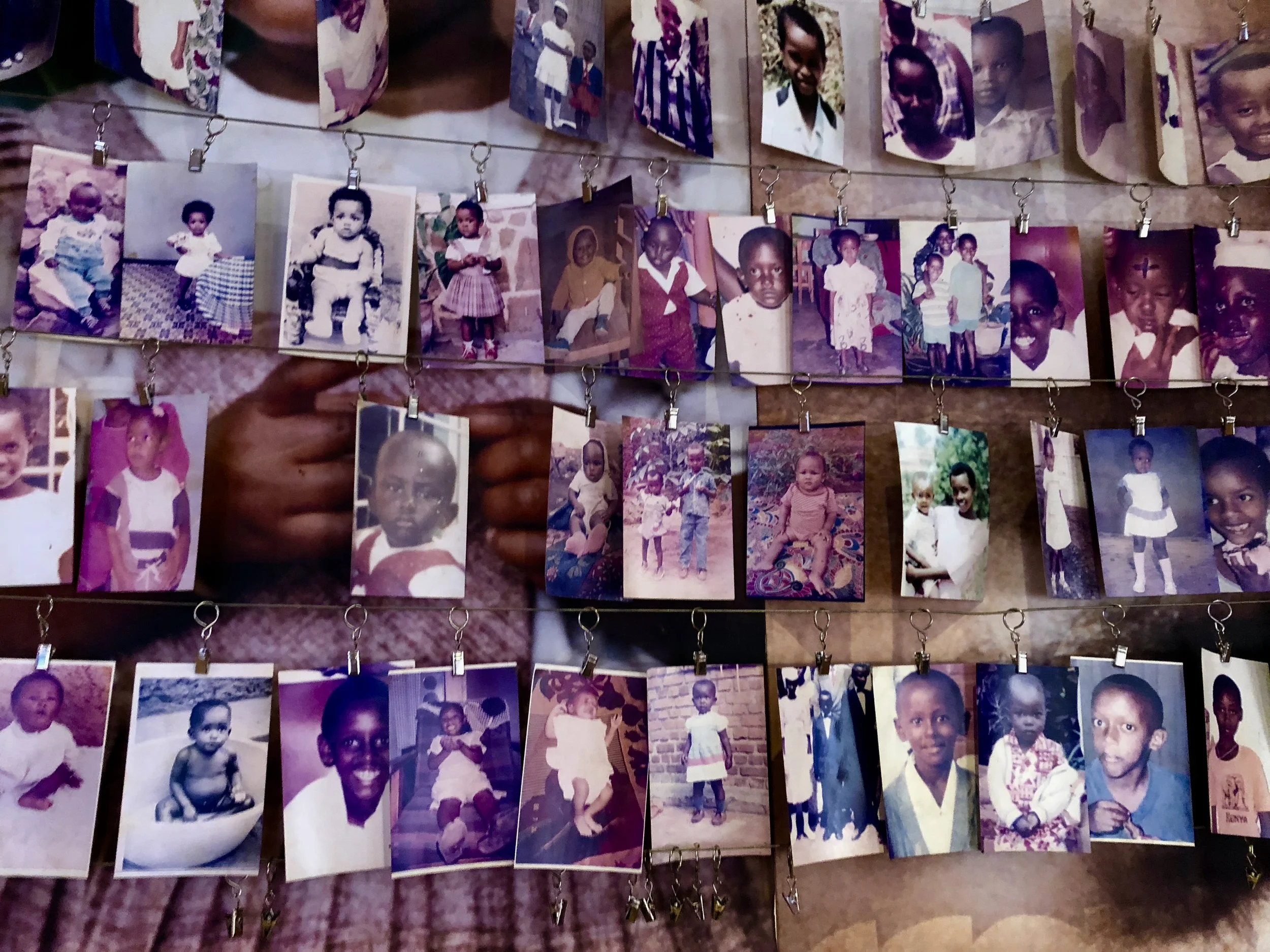
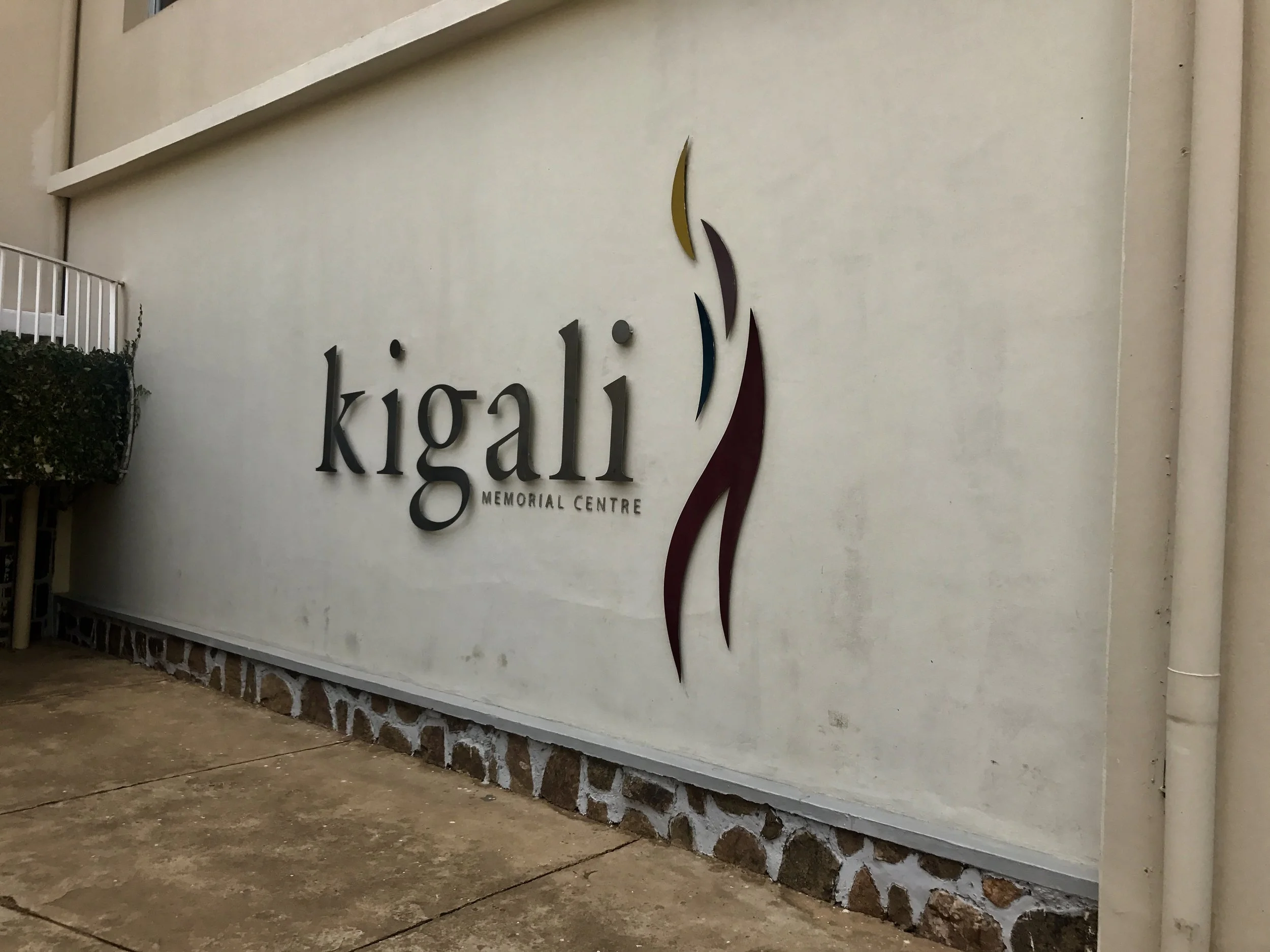
The Kigali Genocide Memorial at Gisozi is not simply a museum, it is a resting place for more than 250,000 lives lostin the 1994 Genocide against the Tutsi. It’s sacred ground. Quiet. Tender. Honest.
You walk through the gardens and exhibits knowing you’re not there to be entertained — you’re there to witness. To understand. To honor. And to leave with a deeper respect for peace, because you realize just how fragile it can be.
And Kigali is only the beginning.
Just outside the city, other memorials hold their own powerful truths:
Ntarama, a former church preserved with clothing and personal belongings still on display
Nyamata, another church where thousands sought refuge and were murdered
Camp Kigali, honoring the 10 Belgian UN peacekeepers killed at the start of the genocide
Rebero Memorial, remembering leaders who opposed the genocide and paid with their lives
These places are heavy, but they matter. Rwanda doesn’t ask the world to look away. Rwanda asks the world to remember… and to do better.
And as an international visitor, you walk out of these memorials with one hard truth:
Peace should never be taken for granted.
A city that refuses to be defined by tragedy
What makes Kigali so extraordinary is the balance.
This city has learned how to preserve memory without turning trauma into spectacle. To welcome visitors without losing dignity. To grow without forgetting its soul.
And out of that painful history comes something powerful: a fierce celebration of culture, identity, and creativity.
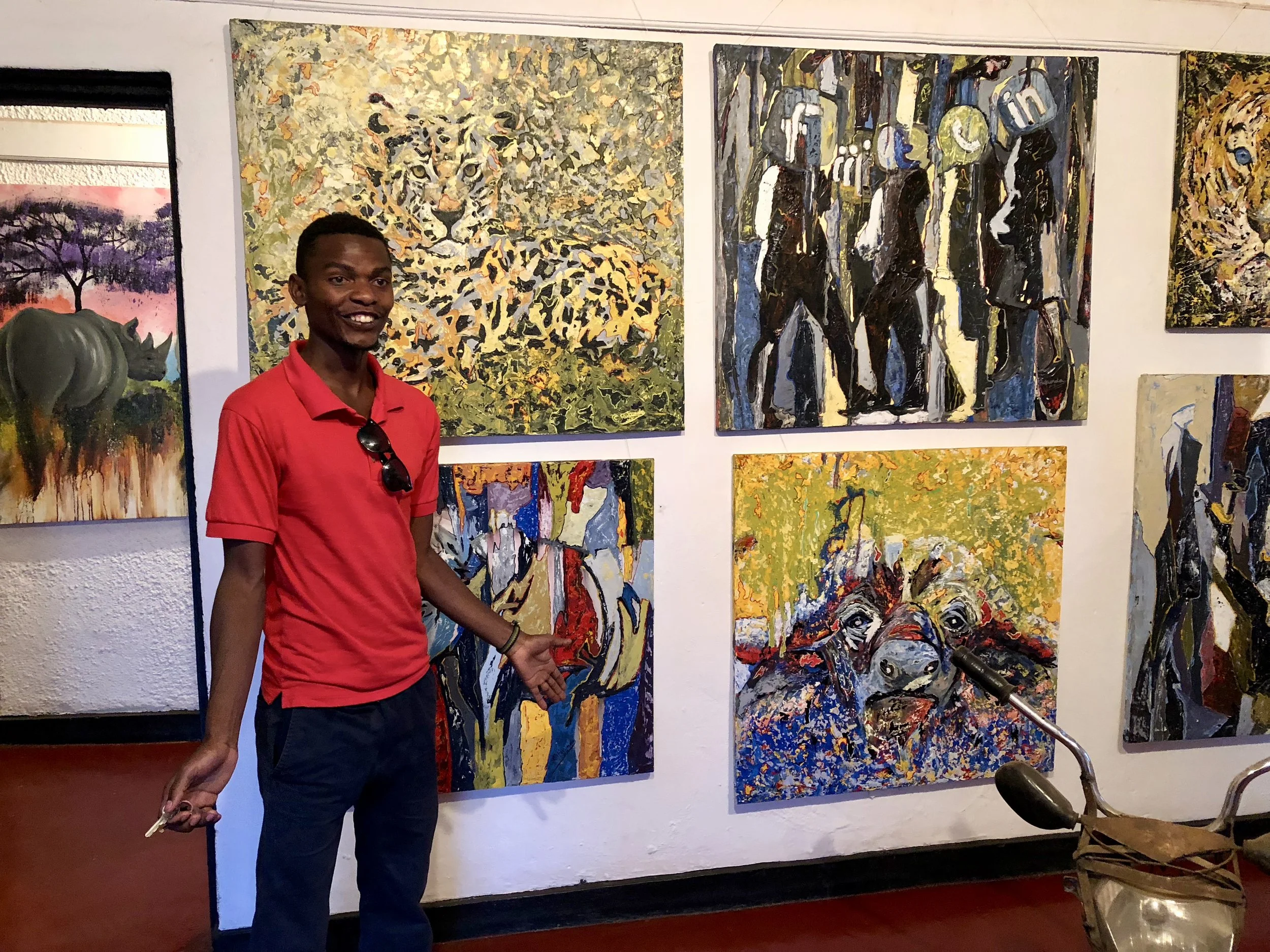
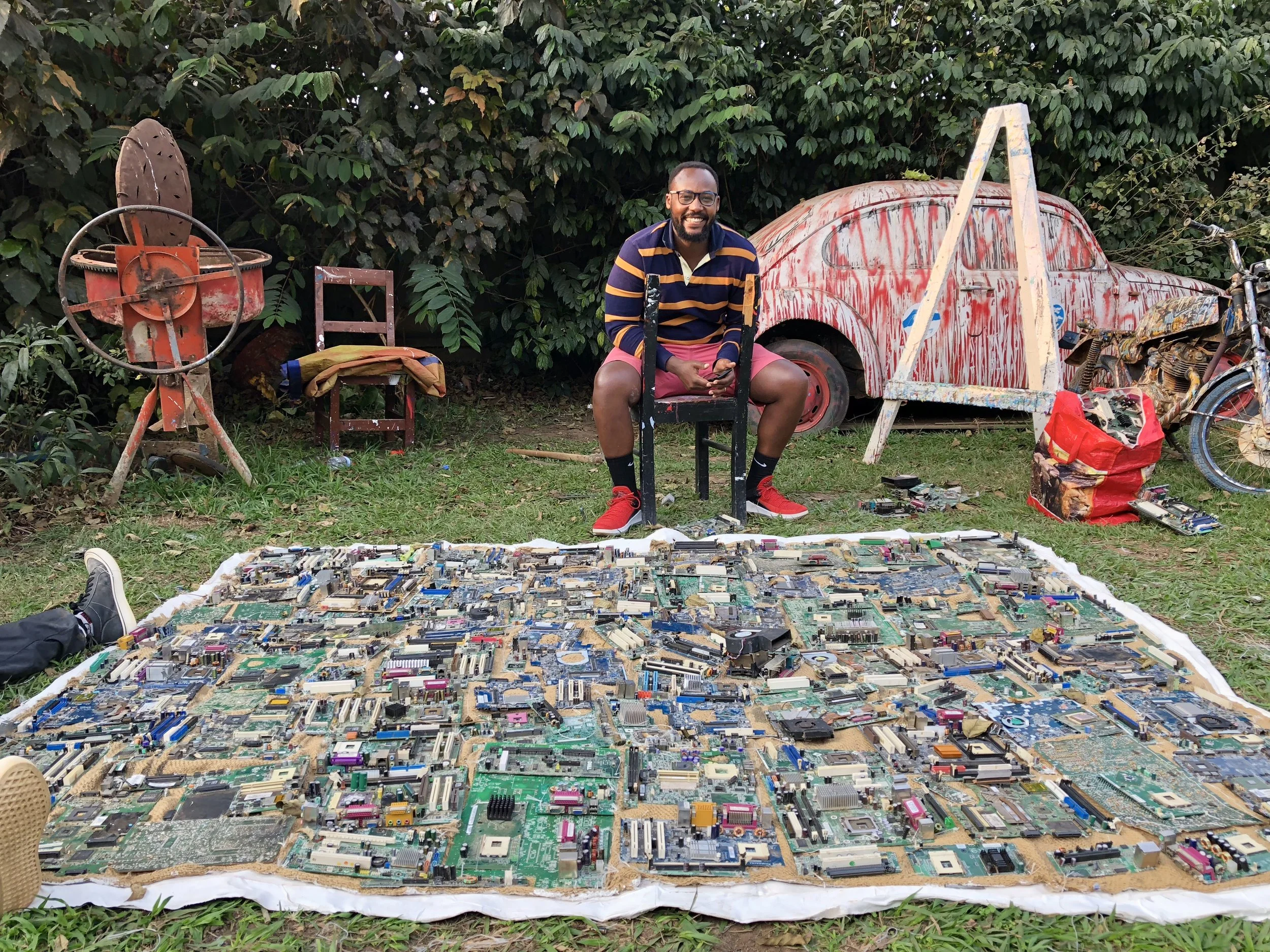
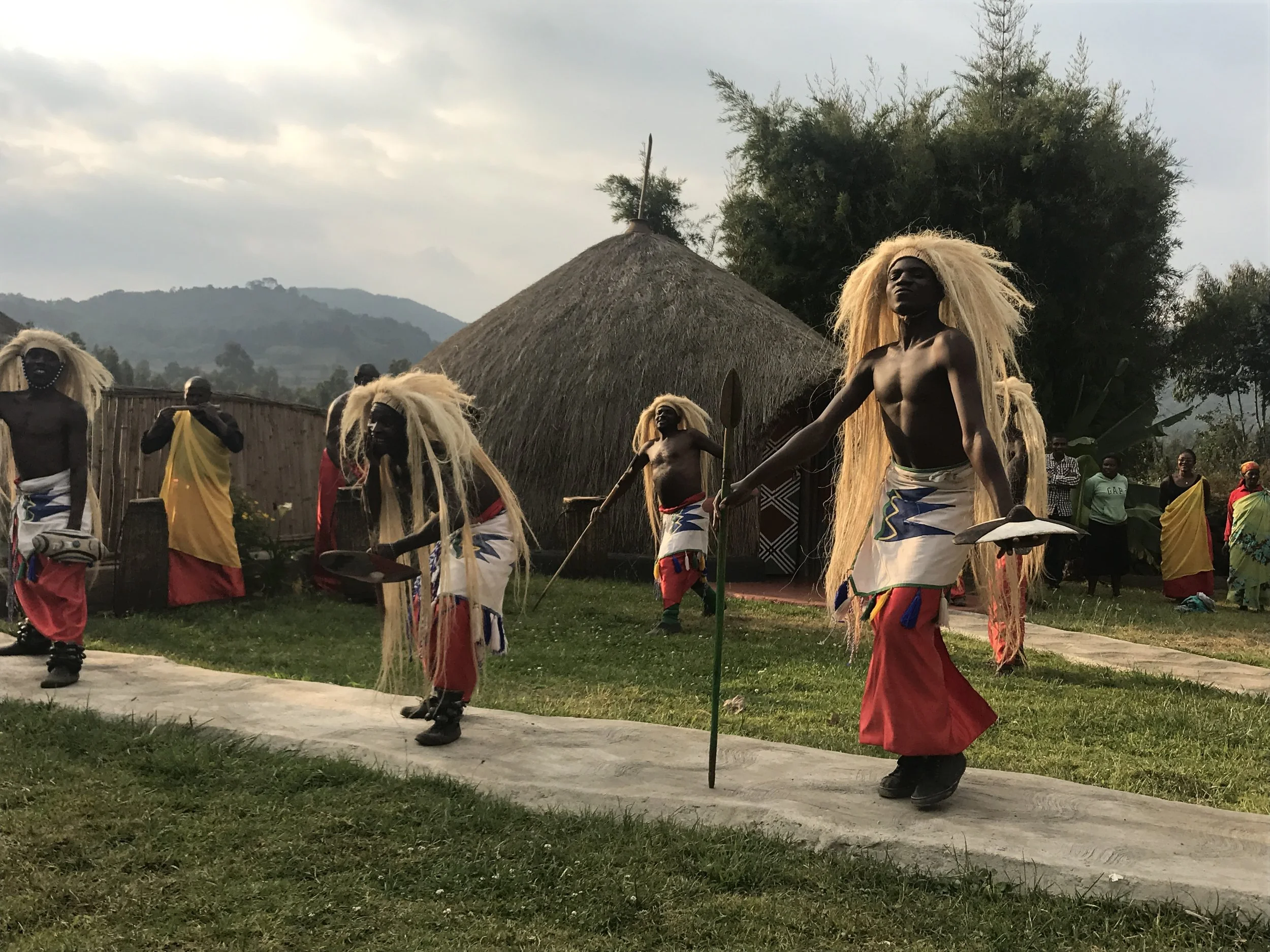
Kigali is alive with it, traditional drumming in one corner, contemporary art in another. Museums like the Rwanda Art Museum and Kandt House hold both artistic heritage and natural history, reminding you that Rwanda’s story is deeper than what most people think they know.
And then there’s what’s coming…
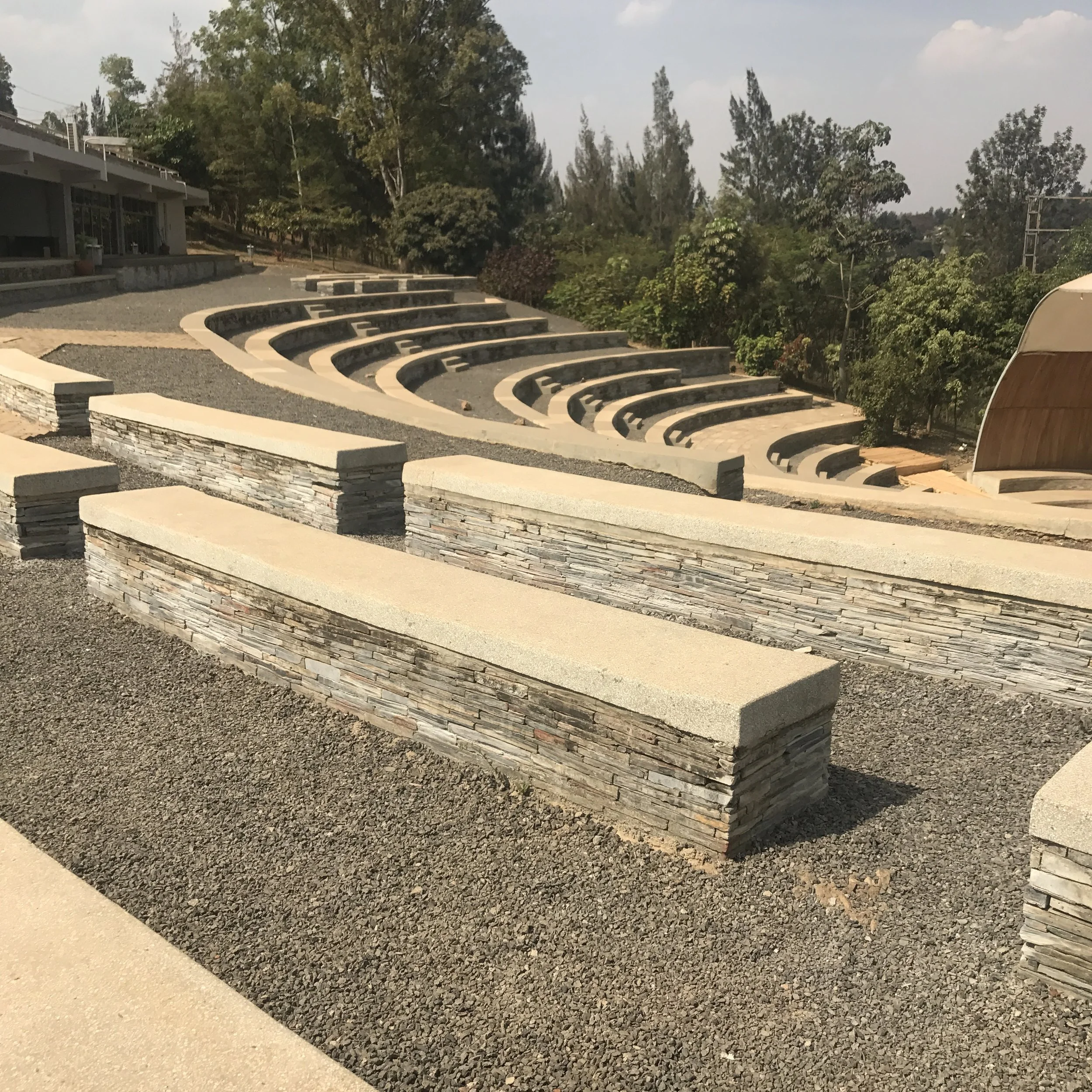
The Kigali Cultural Village on Rebero Hill is part of a new vision, a place where performance, crafts, storytelling, eco-tourism, and opportunity can live side by side. It’s tradition meeting innovation in the most Rwandan way possible: grounded, intentional, and forward-looking.
Conservation that feels personal
What I love most about Kigali is that sustainability here isn’t a trend.
It’s a lifestyle.
Take Nyandungu Urban Eco-Tourism Park — once a damaged wetland, now restored into a 121-hectare green sanctuary with walking paths, medicinal gardens, and thriving biodiversity. You’ll see families picnicking, cyclists cruising through, school kids learning about ecosystems — all of it woven into daily life.
Then there’s Umusambi Village, a sanctuary for rescued grey crowned cranes that were once trafficked as pets. Now they roam freely again, and the village doubles as a conservation education space that quietly shifts the way people think about wildlife protection.
Because Kigali understands something many places forget:
Conservation isn’t just about saving animals. It’s about protecting the spirit of a place.
Local initiatives and environmental groups like RECO bring people together through heritage walks, community gardening, and cultural events — proving that protecting biodiversity and protecting identity are not separate missions. They belong together.
The future is being built on purpose
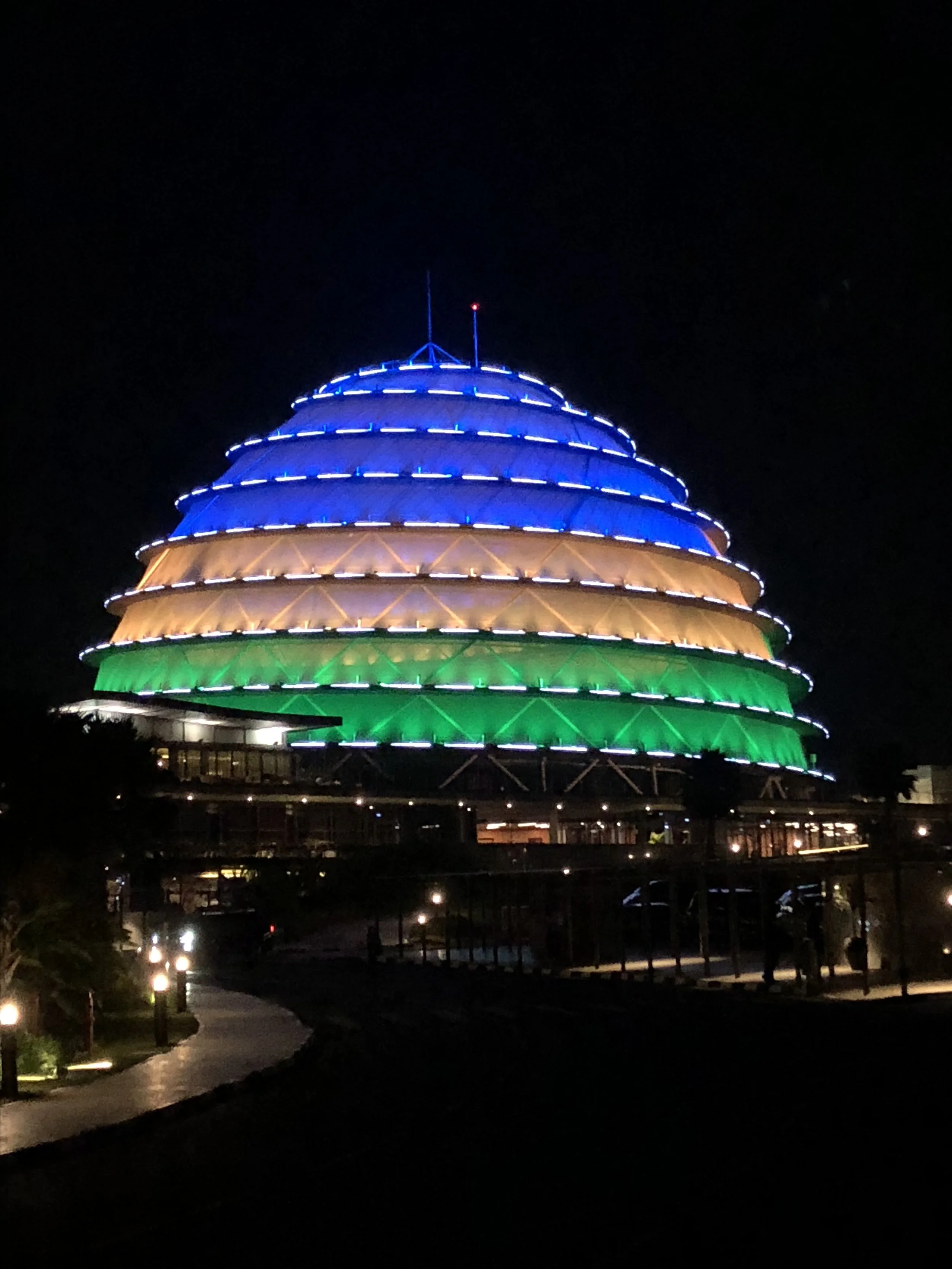
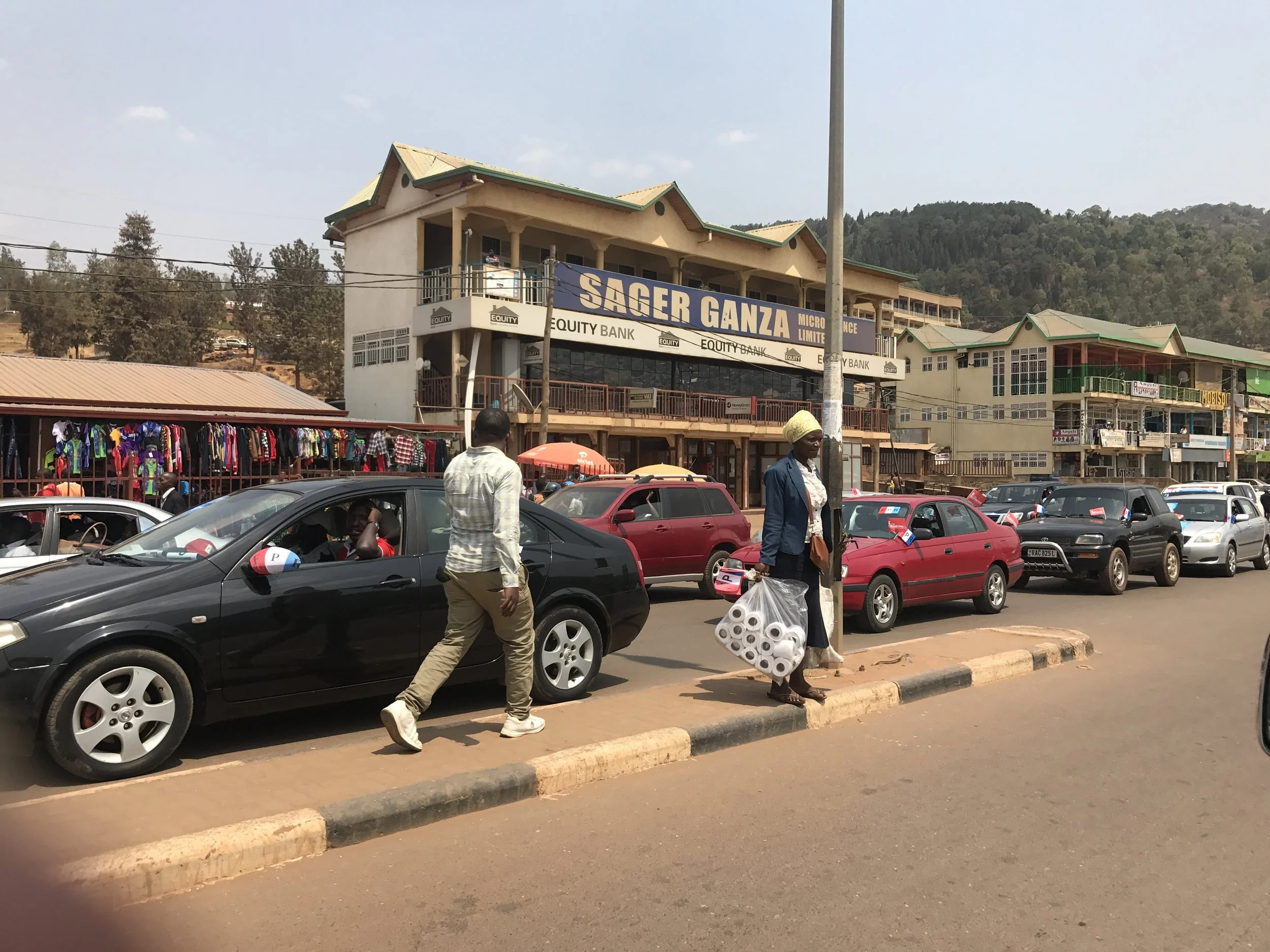
Even Kigali’s streets tell that story.
The Imbuga City Walk, built from the former Car-Free Zone, has become a people-centered corridor of tree-lined promenades, bike lanes, and open-air spaces for community life.
It’s a simple but powerful statement:
The future Kigali is building is for people — and for the planet.
Why Kigali belongs in your story
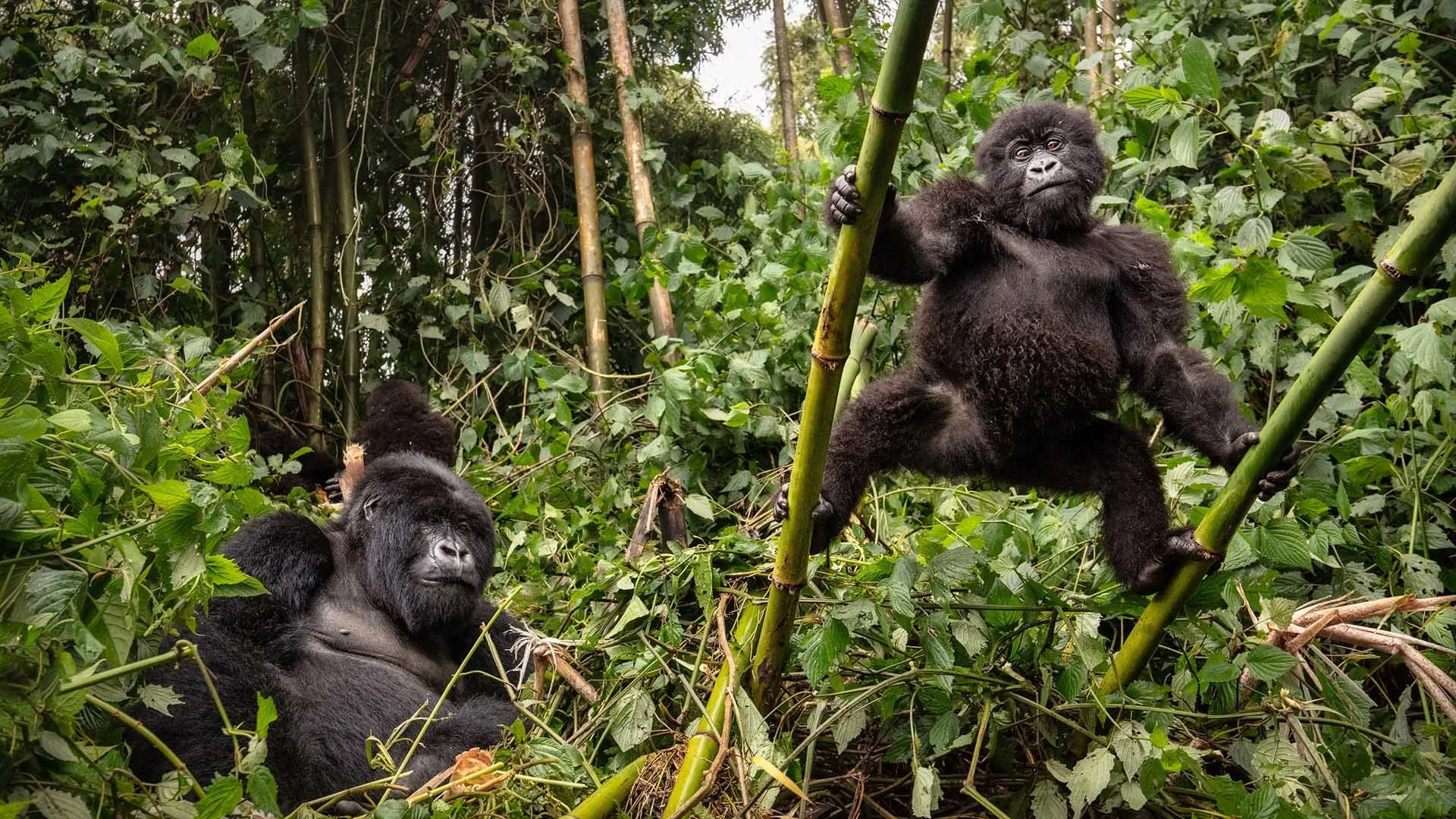
Kigali isn’t just a “stopover” on the way to gorilla trekking.
It’s a destination that teaches you something, about humanity, about healing, and about what’s possible when a country decides to rebuild with intention.
It reminds you that travel can be beautiful… and meaningful.
That culture and conservation can live in harmony.
And that tomorrow is not something we wait for, it’s something we shape.
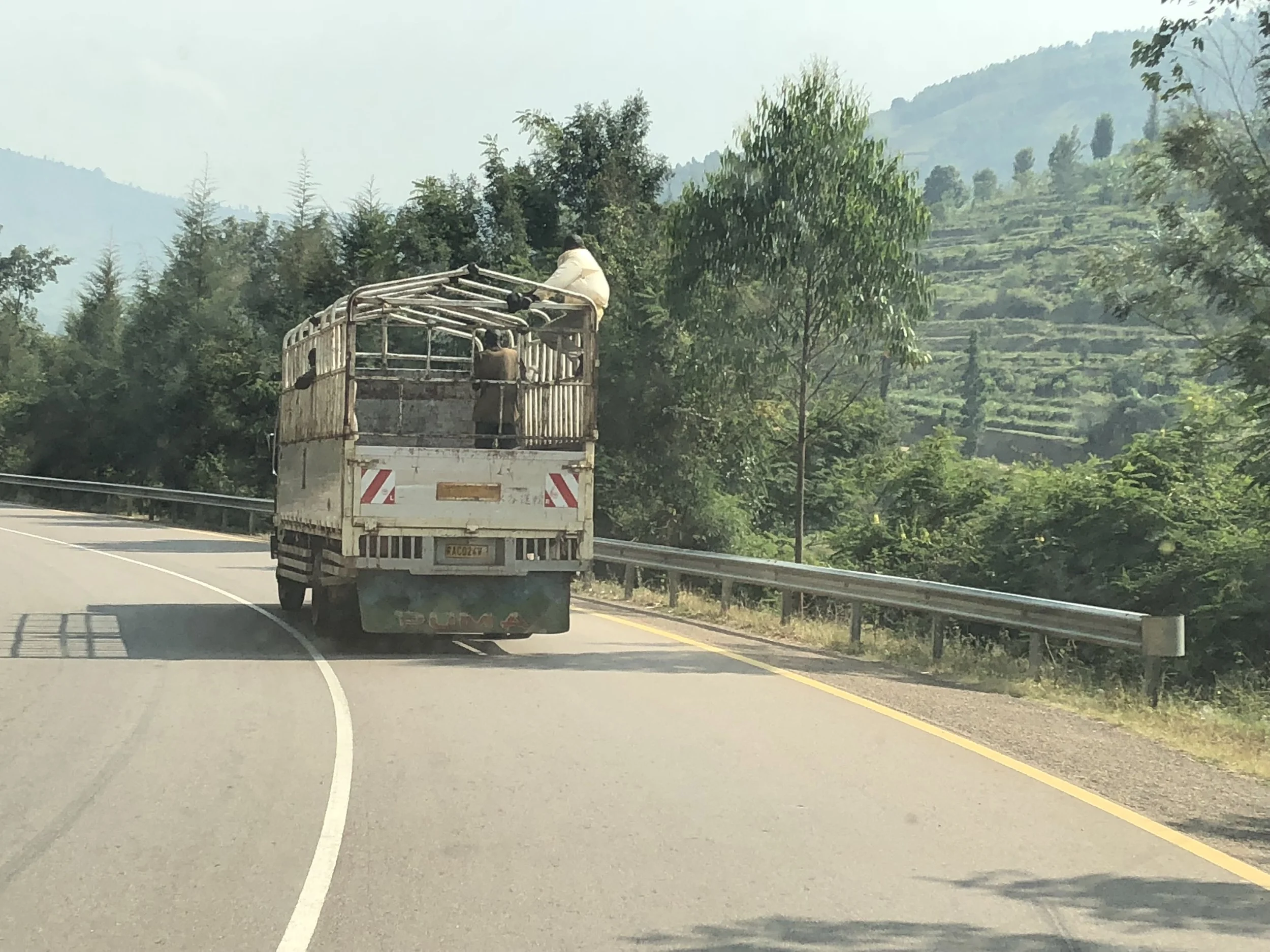
Let Rwanda inspire your next adventure: wildlife, culture, and beauty beyond imagination.
Reach out to Urth Expedition, and let’s design a journey that stays with you long after you fly home.